Cold weather does not require hiding beneath oversized coats or sacrificing personal style. Learning how to dress stylish in cold weather starts with practical choices: a warm base layer, a textured knit, and an outer layer that blocks wind. Add a scarf, gloves, or a hat when the temperature calls for them. Small details matter. A visible cuff, a clean boot, or a belt over a coat can make layered clothes look considered rather than bulky.
Fashion consultant Tim Gunn, known for mentoring designers on Project Runway, often uses the advice, “Make it work.” Applied to winter dressing, that means adapting pieces you already own before buying a new wardrobe. Try a fine-knit sweater beneath a structured coat, or pair a long wool layer with straight-leg trousers and weather-ready shoes. Keep colors coordinated, but do not treat matching as a rule. A burgundy scarf against a gray coat can add warmth and personality. Comfort counts, too. If a polished outfit feels cold after ten minutes outside, it is not a useful solution.
There is no perfect formula. Indoor heating, damp sidewalks, and changing temperatures can complicate even a thoughtful outfit. A bulky mid-layer may look awkward; that is worth noticing, not ignoring. These 2026 style ideas focus on flexible layers, tactile fabrics, and small adjustments, so you can stay warm without losing the details that feel like you.
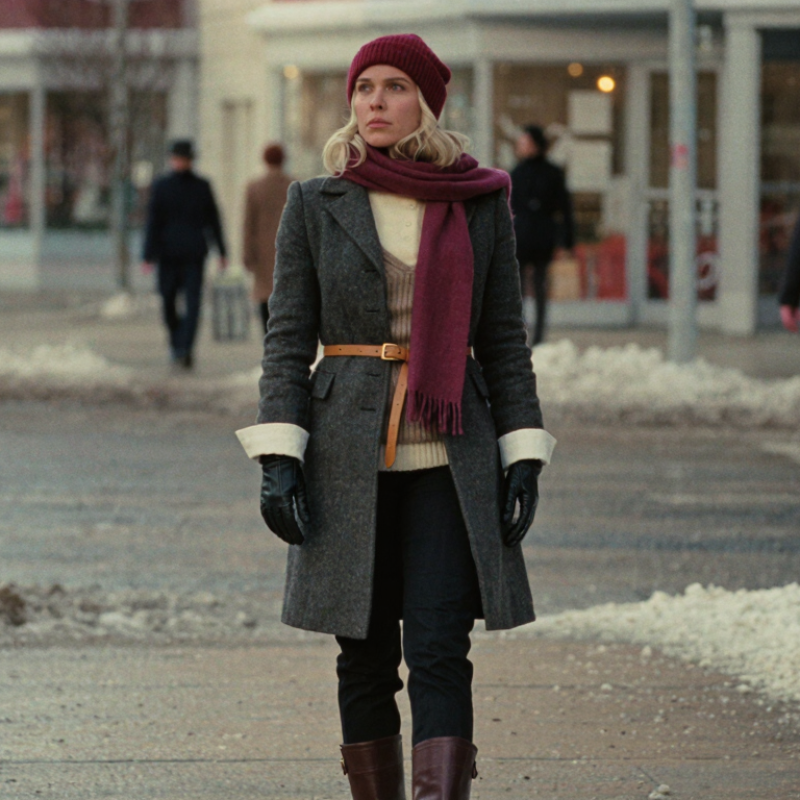
Stylish cold-weather dressing begins with a simple principle: warmth should support movement, not hide your shape. Choose a close-fitting base layer that feels comfortable against your skin. Add a knit or fleece layer that traps warmth without making your arms feel restricted. Finish with an outer layer that blocks wind and leaves enough room for the layers beneath. Bulky clothes can be warm, but they may make ordinary tasks awkward. Fit matters.
Texture and proportion make practical outfits feel considered. Pair a smooth coat with a ribbed scarf, or balance a roomy sweater with straighter trousers. Keep your hands, neck, and feet in mind; cold fingers can spoil even a well-planned walk. In my experience, the outfit that looks best indoors is not always the one that works outside. I still sometimes dress for the mirror and regret it on a windy corner. Small adjustments help.
Tips: Check the forecast, then test your layers by walking around indoors. Keep one lightweight extra layer in your bag. Choose shoes with a secure fit and enough room for warm socks; tight footwear can feel uncomfortable. Colors can be simple. A scarf adds detail.
Cold-weather style works best as a flexible system, not a thick coat over ordinary clothes. Start with a close-fitting base layer that moves sweat away from your skin. Add a mid-layer, such as a wool or fleece sweater, for warmth. Finish with a shell that blocks wind and sheds light rain. OSHA’s cold-stress guidance recommends this three-layer approach and advises keeping clothing dry. That matters.
Damp cuffs or a sweaty back can make a comfortable walk feel chilly fast.
Adjust the layers to your route and activity. A brisk commute may call for a lighter mid-layer than waiting outdoors for a bus. The National Weather Service’s wind-chill chart shows why:
At 0°F with 15 mph winds, the perceived temperature is about -19°F.
Cover exposed skin in those conditions, and check local forecasts before heading out. Fit matters, too. Layers that are too tight can restrict movement; too many bulky pieces can feel awkward indoors.
I still sometimes overdress for a short trip, then carry a sweater the rest of the day. A small packable layer can make that mistake easier to correct.
Cold-weather style begins with fabrics that manage moisture, not just thick layers. A merino or synthetic base layer moves sweat away from skin; a midlayer traps warm air. Wool and fleece can retain useful insulation when conditions turn damp, while a tightly woven, wind-resistant shell helps block gusts. The U.S. National Weather Service’s wind-chill chart rates 0°F with 15 mph wind as −19°F. That sharp difference shows why a good outer layer matters. Small details matter. A high collar and snug cuffs help stop cold air entering.
ASHRAE’s thermal-comfort guidance defines 1 clo of clothing insulation as 0.155 m²·K/W. It’s a useful reference, not a promise: fit, movement, wind, and dampness all change how warm an outfit feels. I’d rather adjust two breathable layers than rely on one bulky coat that becomes uncomfortable indoors. That plan can still miss the mark on a wet, windy day.
Tips: Choose a moisture-managing base, an insulating middle layer, and a wind-resistant outer layer. Keep gloves and socks dry. Check cuffs, hems, and the gap between scarf and collar before heading out.
Typical moisture regain shows how much moisture a fiber absorbs under standard textile-testing conditions. Wool absorbs more moisture than the other fibers shown, while polyester absorbs very little and tends to dry quickly. These figures do not measure warmth directly: for cold-weather comfort, combine insulating layers with a wind- and water-resistant outer layer. Actual performance varies with fabric construction, blends, and finishes.
Approximate typical moisture regain by fiber; values vary by grade and test conditions.
Cold-weather style works best when color, texture, and proportion support one another.
Start with two related shades, such as charcoal and soft grey, then add one warm accent. A rust scarf can brighten a dark coat without making the outfit feel busy. Keep contrast gentle. Mix surfaces too: smooth wool trousers, a ribbed knit, and a lightly brushed coat create depth even in a quiet palette. Textile Exchange’s Materials Market Report 2024 estimates that global fiber production reached 124 million tonnes in 2023, with polyester making up 57 percent. That scale is a useful reminder to check fabric labels and choose pieces for comfort and repeated wear, not appearance alone.
Proportion matters when winter layers add bulk. Try a shorter jacket over a longer knit, or balance wide-leg trousers with a closer-fitting top. Leave enough room for movement; a beautiful outfit feels less convincing when sleeves bunch at the wrists. I still sometimes add one layer too many. A full-length mirror helps reveal when a scarf, coat, and loose trousers blur the silhouette. The Ellen MacArthur Foundation’s 2017 report, A New Textiles Economy, found clothing use had fallen 36 percent over 15 years. Building a few adaptable combinations may help each piece earn more wear: a cream sweater with dark denim one day, then beneath a long coat the next.
A polished winter outfit depends on the small things that keep you comfortable outdoors. Choose gloves that let you grip a phone or transit card, and tuck a thin spare pair into your bag. A wool scarf can soften a coat’s shape while covering your neck when wind picks up. I’ve learned that a beautiful scarf is less useful if it slips loose every few minutes. A simple knot helps.
Tips: Check the forecast before choosing accessories. Pick a hat that covers your ears without blocking your view, and use a snug hood in wet weather. Keep sunglasses handy on bright, snowy days. On icy sidewalks, practical tread matters more than a sleek-looking sole.
Color can bring warmth to a muted outfit: try a rust-colored hat, deep green gloves, or a patterned scarf against a dark coat. Keep one accessory easy to remove, since shops and buses can feel overheated. I still sometimes dress for the cold outside and regret it indoors. Comfort is part of looking put together.
Start with a close-fitting base layer that moves sweat away from your skin. Add a wool or fleece mid-layer, then a wind-resistant outer layer. Keep room to move.
Choose layers that fit comfortably rather than stacking thick pieces. A roomy sweater can work with straighter trousers and a coat that leaves space underneath. Bulky sleeves can make simple tasks awkward.
Merino or synthetic fabric can help manage moisture next to your skin. Wool and fleece provide insulation, while a tightly woven shell helps block wind. Wet clothes still feel cold.
A brisk walk may need less insulation than waiting outside for a bus. Carry a lightweight extra layer in your bag. I sometimes pack one and never use it.
Wind can make cold air feel much harsher, and damp cuffs can chill you quickly. Cover exposed skin and check the forecast before leaving. Small details matter.
Check that the collar sits high and the cuffs fit snugly. Make sure the scarf closes the gap near your neck. Cold air finds openings.
Wear gloves and keep your socks dry. Choose shoes with a secure fit and enough room for warm socks. Tight shoes can feel miserable.
Walk around indoors before heading out and notice whether your arms move freely. The mirror can be misleading; I have regretted an outfit on a windy corner.
Dressing well in winter is about balancing warmth, comfort, and personal style. Start with a flexible layering system: choose a breathable base layer, add insulating mid-layers, and finish with outerwear that protects against wind and moisture. This approach makes it easy to adapt as temperatures and indoor conditions change. When deciding how to dress stylish in cold weather, consider how each layer fits and works with the others, so you stay comfortable without feeling bulky.
Thoughtful fabric, color, texture, and proportion choices can make practical clothing feel polished. Combine warm, durable materials with complementary tones and varied textures, and balance fuller layers with cleaner shapes elsewhere in the outfit. Finish with weather-ready accessories such as gloves, scarves, hats, and suitable footwear. These details add protection while bringing the overall look together, helping you feel prepared and confident throughout the colder months.

ASALUXE Fashion