What is the warmest type of coat? The honest answer depends on weather, activity, insulation, and fit. A thick parka may feel unbeatable on a frozen sidewalk. It can feel overheated during a windy hike uphill. Warmth is not created by bulk alone. It comes from trapping still air, blocking wind, resisting moisture, and preserving insulation when conditions turn wet.
Dr. John Castellani, a cold-environment researcher at the U.S. Army Research Institute of Environmental Medicine, has emphasized a practical principle: “There is no single best clothing system for every cold environment.” That idea should guide this 2026 coat comparison. Down parkas often provide exceptional warmth for their weight. Synthetic-insulated coats perform more reliably around damp snow and drizzle. Wool coats offer natural temperature regulation, but they may feel heavier and less windproof. Shearling and long insulated coats can protect the legs better, especially during prolonged standing.
Fit matters more than many buyers expect. A coat that squeezes the insulation may lose warmth. A loose collar can leak heat within minutes. Small details matter: storm cuffs, a high neckline, an adjustable hood, and a covered zipper. Still, no coat solves every problem. I have found that the warmest-looking design is not always the warmest in real use. This guide examines each coat type through insulation, weather resistance, mobility, durability, and practical comfort. The result may challenge simple assumptions about what “warmest” really means.
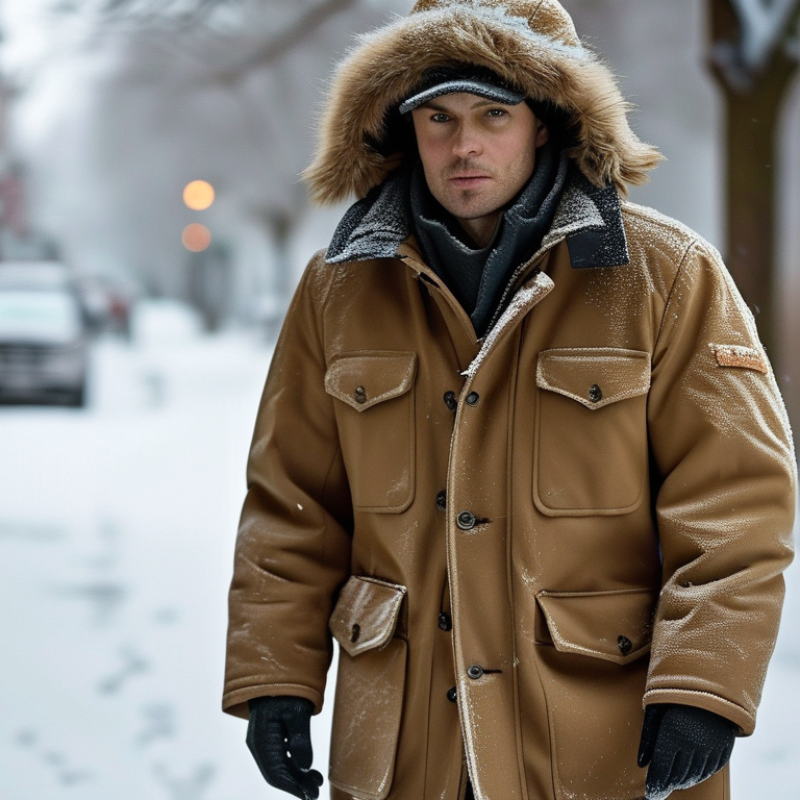
2026 Top Warmest Coat Types: What Is the Warmest Coat?
Warmth is not measured by insulation alone. Thermal testing often uses clo values to estimate resistance to heat loss. Real weather can change the result. Loft matters because trapped air slows heat escape. Down can provide excellent warmth for its weight, while synthetic insulation often stays warmer when damp. Very thick filling is not always better.
Fit is the quiet factor. A coat should leave room for a base layer and sweater. Too much space allows cold air to circulate. Tight sleeves can crush insulation around the shoulders and elbows. Check the cuffs, collar, hem, and hood. A snug collar reduces drafts during a windy walk. I once chose a thick coat with narrow cuffs. Warm fabric could not fix the cold gaps.
Weather protection changes the calculation. A wind-resistant shell protects insulation from cold airflow. A breathable waterproof layer helps during wet snow. Sealed seams, a covered zipper, and an adjustable hood add useful protection. Long insulated parkas suit freezing streets, while shorter coats may work better for active travel. My judgment is not perfect; warmth depends on movement, humidity, layering, and personal comfort. Test a coat with your usual layers, not a thin shirt.
How coat warmth is measured through insulation, fit, and weather protection.
| Coat Type | Typical Insulation | Indicative Temperature Range* | Warmth Level | Fit and Heat Retention | Weather Protection | Best Use |
|---|---|---|---|---|---|---|
| Expedition-Weight Down Parka | High-loft down, commonly around 700–900 fill power, with substantial fill weight and insulated hood. | Approximately −30°C to −10°C (−22°F to 14°F), depending on layering, wind, activity, and construction. | Exceptional | Long cut, adjustable hem, close-fitting cuffs, and a roomy shape that supports warm base and mid-layers. | Usually includes a wind-resistant shell, storm flap, insulated hood, and water-resistant face fabric. Down needs protection from prolonged moisture. | Stationary outdoor activities, very cold climates, winter expeditions, and low-activity conditions. |
| Heavyweight Synthetic-Insulated Parka | Thick synthetic insulation, often using layered or high-loft polyester fibers. | Approximately −25°C to −5°C (−13°F to 23°F), depending on insulation amount and design. | Very High | Longer silhouettes and adjustable features reduce heat loss; synthetic fibers retain more insulating ability when damp. | Generally strong wind and light-to-moderate precipitation protection; a waterproof membrane or sealed seams improve performance. | Wet, snowy, or changeable winter weather where dependable insulation is important. |
| Long Wool-Blend Overcoat | Dense wool or wool blend, usually without lofty internal insulation. | Approximately −10°C to 5°C (14°F to 41°F) with suitable layers; less effective during prolonged exposure or strong wind. | High | A knee-length cut and moderate room for layering improve coverage, while a close collar helps reduce heat loss. | Good natural resistance to light wind and brief moisture; not normally fully waterproof and can become heavy when wet. | Urban winter wear, commuting, formal clothing, and dry or moderately cold conditions. |
| Quilted Down Jacket | Light- to medium-weight down, commonly around 600–800 fill power, with less fill than an expedition parka. | Approximately −10°C to 7°C (14°F to 45°F), depending on fill weight, length, and layers. | High | Lightweight and compressible; warmth depends strongly on baffle design, loft, and whether the hem and cuffs seal drafts. | Usually wind resistant and water repellent rather than fully waterproof. Performance decreases if the down becomes saturated. | Everyday winter use, travel, walking, and dry cold weather. |
| Insulated Technical Shell | Moderate synthetic or down insulation combined with a protective outer shell. | Approximately −10°C to 5°C (14°F to 41°F), with layering extending practical use. | Moderate to High | A technical fit balances mobility and layering; adjustable cuffs, hem, and hood help limit drafts. | Often the strongest option for rain, wet snow, and wind when it has a waterproof-breathable shell and fully protected seams. | Active winter use, hiking, travel, and mixed precipitation. |
| Fleece-Lined Winter Coat | Fleece lining with a modest layer of synthetic insulation or a thick woven outer fabric. | Approximately 0°C to 12°C (32°F to 54°F), depending on wind, activity, and layering. | Moderate to High | Comfortable close-to-regular fit; fleece adds warmth but generally provides less loft than down or thick synthetic insulation. | Varies widely. A coated or laminated shell improves wind and light-rain resistance, while ordinary fleece is not waterproof. | Cool urban weather, active commuting, and mild winter conditions. |
| Shearling-Style Coat | Dense wool or wool-like pile attached to a leather or suede-style outer layer. | Approximately −5°C to 10°C (23°F to 50°F), depending on thickness, length, and wind exposure. | Moderate to High | Dense pile can trap warm air effectively; longer cuts and secure closures provide better coverage than short styles. | Can block wind well, but untreated suede or leather-style surfaces may require careful protection from rain and snow. | Dry cold weather, casual winter wear, and moderate urban conditions. |
| Lightweight Puffer Jacket | Light down or lightweight synthetic insulation with relatively low fill weight. | Approximately 5°C to 15°C (41°F to 59°F), with layering for colder conditions. | Moderate | Efficient for its weight but usually shorter and less protective at the hem, neck, and cuffs. | Commonly water repellent and wind resistant, but not designed for prolonged heavy rain or severe wind. | Layering, travel, transitional seasons, and active movement. |
Important: Temperature ranges are practical estimates, not standardized ratings. Actual warmth depends on insulation type and amount, fill power, garment length, fit, moisture, wind chill, activity level, personal comfort, and the warmth of the layers worn underneath.
Thermal tests often use clo values to estimate resistance to heat loss. Loft matters too. Trapped air slows escaping heat. Real weather may produce different results.
Not necessarily. Excess filling can add weight without improving comfort. A bulky coat may also restrict movement and trap sweat.
Down or synthetic insulation can perform well in dry, severe cold. Choose generous coverage around the chest, hood, and upper thighs. A longer coat helps when sitting outdoors.
It often stays warmer when damp. Down can lose loft after absorbing moisture. Look for a waterproof, breathable shell and sealed seams.
Leave room for a base layer and sweater. The fit should not feel loose around the collar, cuffs, or hem. Too much space allows cold air to circulate.
Check the collar, cuffs, hem, hood, and zipper cover. A snug collar blocks wind near the neck. Adjustable cuffs and hoods reduce small openings.
A long insulated coat protects more of your body during slow walks or outdoor waiting. A shorter coat may suit active travel better. It can feel less restrictive.
Wear your usual layers, not only a thin shirt. Lift your arms, bend down, and operate the zipper while wearing gloves. Walk around briefly. Standing still can mislead you.
Start with a moisture-wicking base layer. Add fleece when temperatures drop sharply. Avoid packing every layer inside a tight coat. That can crush insulation.
Yes. Hiking produces body heat, while waiting at a bus stop does not. A breathable coat may feel warmer during movement. My own judgment can be wrong here. Weather, humidity, and comfort still matter.
Choosing the warmest coat depends on more than thickness. Insulation quality, fit, and protection from wind, snow, and moisture all affect comfort in cold weather. Down coats are valued for their excellent warmth-to-weight ratio and compressibility, making them ideal for dry, freezing conditions. However, their performance can decrease when the filling becomes wet. Synthetic-insulated coats offer dependable warmth in damp or snowy weather because their fibers retain more insulating ability when exposed to moisture and are often easier to maintain.
Wool and shearling coats provide natural warmth, breathability, and a comfortable feel, making them suitable for everyday winter wear and moderately cold environments. When asking “what is the warmest type of coat,” the answer depends on the climate and activity. For dry, severe cold, a well-fitted down coat may be the best choice. For wet conditions, synthetic insulation is often more practical, while wool or shearling can provide balanced warmth and style for less extreme weather.

 ASALUXE Fashion