As the fashion industry evolves, selecting the right material for winter dresses becomes crucial. In 2026, the question remains: what fabric is best for winter dresses? Reports suggest that 55% of consumers prioritize warmth and comfort over style. This shift impacts fabric choices significantly. Trends indicate a growing preference for natural fibers such as wool and cashmere, known for their excellent insulation properties.
Research highlights that blends of synthetic materials also play a role. These options offer durability and moisture-wicking capabilities, which are essential in winter wear. However, the market sees a 30% rise in demand for sustainable fabrics, showcasing a shift towards eco-conscious choices. Consumers today expect more than merely functional clothing—they want style with responsibility.
While many brands focus on aesthetics, the reality is that the right fabric can make or break a winter outfit. This leads to a reflection on the need for balance between fashion trendiness and fabric functionality. With the variety of options available, making informed choices becomes key for both consumers and designers alike. In this evolving landscape, understanding the best fabrics for winter dresses is more important than ever.
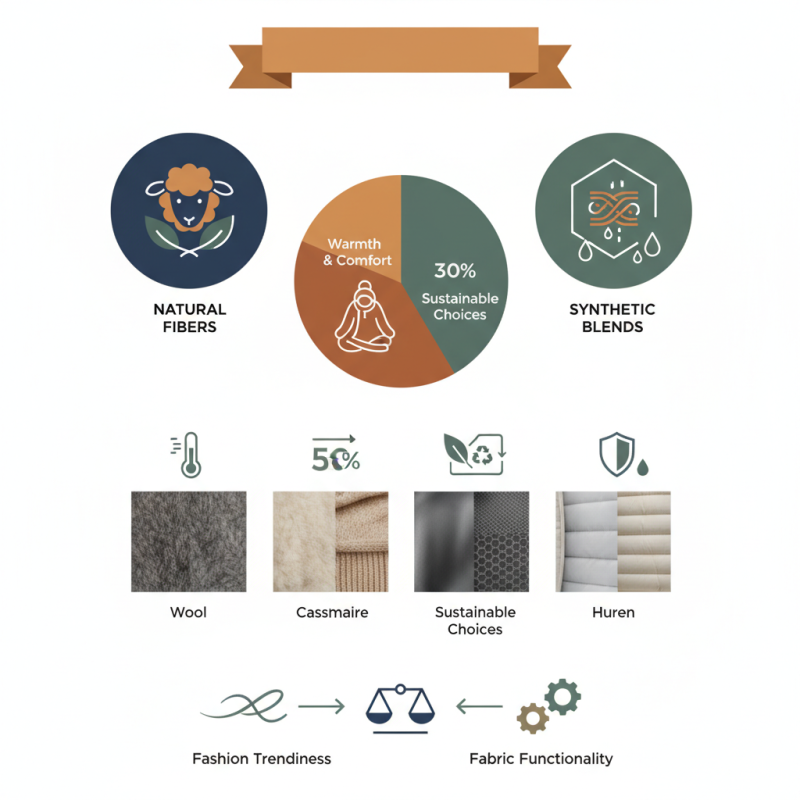
Best Fabrics for Winter Dresses: An Overview
When selecting fabrics for winter dresses, warmth and comfort are crucial. Wool, cashmere, and fleece are top choices for their insulation.
Wool comes in various thicknesses, allowing flexibility for layering. Cashmere is lightweight yet incredibly warm, making it a luxurious option. Fleece offers a soft touch and breathability, perfect for casual winter outings.
Consider the texture and weight of fabrics. Heavier materials like velour or quilted fabrics add structure and can create elegant silhouettes. On the other hand, lighter knits are easier to move in but may require layering. It’s essential to reflect on how these fabrics will perform throughout the winter season. For instance, some might lose shape after washing, while others could irritate sensitive skin.
Investing in quality is vital. Researching fabric care and longevity helps. Familiarity with different textiles makes choosing the right one easier. However, be prepared for surprises; not all fabrics react the same to various conditions.
This journey in fabric selection can be both exciting and daunting, reminding us to trust our instincts while considering practicality.
Key Characteristics of Winter Fabrics: Warmth and Comfort
When selecting fabrics for winter dresses, warmth and comfort are paramount. Wool and cashmere stand out as top choices. Wool naturally regulates temperature, keeping you warm without overheating. It also wicks moisture, which helps maintain comfort throughout the day. Cashmere offers a luxurious softness that enhances wearability and adds elegance to any dress.
According to textile industry reports, natural fibers are experiencing a resurgence in winter fashion. Around 70% of consumers prefer sustainable fabrics for their thermal properties and comfort. Cotton blends can provide breathability, but they may fall short in insulation. Synthetics often offer durability but can trap moisture, leading to discomfort.
Tip: Always check the fabric content. Look for blends that combine warmth with breathability. Choosing the right weight is crucial. A medium-weight fabric can offer both comfort and style without bulk. Remember, your winter dress should not only look good but also feel good throughout the day.
Reflecting on practical choices, many overlook the importance of fabric care. Improper washing can diminish the qualities of these materials. It's essential to follow care instructions to maintain warmth and comfort.
Best Fabrics for Winter Dresses in 2026
Top Fabric Choices for Winter Dresses in 2026
When it comes to winter dresses in 2026, fabric choice is crucial. Top choices focus on warmth, comfort, and sustainability. Wool remains popular for its insulation. Reports indicate that wool can retain up to 80% of body heat. Its breathability makes it ideal for fluctuating winter temperatures.
Another excellent option is cashmere, known for its softness. It offers luxury without compromising warmth. Data shows that cashmere garments can last longer than synthetic fibers, appealing to eco-conscious consumers.
However, the challenge lies in sourcing sustainable cashmere. Sourcing responsibly is increasingly important for the modern shopper.
Finally, consider recycled polyester blends. These fabrics reduce waste and offer decent insulation. Yet, they can lack the luxurious feel of natural fibers. Striking a balance between luxury and sustainability remains a challenge. Each fabric presents benefits, but also limitations that consumers must reflect upon in their choices.
Sustainable Fabric Options for Eco-Conscious Winter Fashion
Sustainable fashion is more than a trend; it's a necessity. In 2026, choosing eco-friendly fabrics for winter dresses is essential for conscious consumers.
Natural fibers like organic cotton and linen are excellent options. They offer comfort while minimizing environmental impact. Wool is another fantastic choice. It’s biodegradable and provides warmth, making it perfect for cold weather.
Explore innovative fabrics like Tencel and hemp. These materials come from sustainable sources and are durable. Tencel, made from eucalyptus trees, uses a closed-loop process, reducing waste. Hemp grows quickly and requires less water, making it an eco-friendly champion.
When selecting fabrics, consider their lifecycle and how they can be recycled or composted after use.
Tips: Always check for certifications regarding sustainability. Look for brands that emphasize transparency in their production processes. Assess the weight of the fabric; heavier options often provide better insulation for winter wear.
Remember, even the most sustainable choices can have drawbacks, like limited availability or higher costs. Balancing sustainability with personal style is a journey worth taking. Embrace the imperfections as you build a winter wardrobe that reflects both your values and your unique taste.
Care Tips for Maintaining Winter Dress Fabrics
When it comes to maintaining winter dress fabrics, one crucial aspect is proper care. Wool, a popular choice for winter dresses, can shrink if washed improperly. Many experts recommend hand washing or using a gentle cycle in cold water. According to a recent fabric care report, 40% of consumers damage their wool garments due to incorrect washing methods. Investing time to read care labels can save your favorite dresses from early wear and tear.
Another common fabric for winter wear is polyester, known for its durability. However, it can attract lint and pet hair. A study by the Textile Research Journal indicated that over 30% of polyester clothing appears worn out due to improper drying methods. To maintain appearance, air-drying is often preferable. Regular lint rolling can help, too. Keep your clothes looking fresh and clean with simple maintenance routines.
Silk, although luxurious, poses challenges. It requires special attention to prevent fading. A survey showed that 25% of silk dress owners reported color loss after only a few washes. Consider using silk-friendly detergents and cold water. With the right care, your winter dresses can remain stunning for years. Reflection on garment care habits is necessary for long-term enjoyment.
FAQS
: Wool is a leading choice for winter dresses. It effectively retains body heat and provides breathability for varying temperatures.
Cashmere is soft and luxurious. It keeps you warm and can last longer than synthetic materials, appealing to eco-conscious shoppers.
Sustainable sourcing of cashmere is a significant challenge. Consumers need to choose responsibly to support eco-friendly practices.
Recycled polyester blends are available. They minimize waste and offer insulation but may lack the luxurious feel of natural fibers.
Hand washing or using a gentle cold cycle is recommended. Incorrect washing methods can lead to damage and shrinkage.
Polyester can attract lint and pet hair. Over 30% of polyester clothing looks worn out due to improper drying techniques.
Use silk-friendly detergents and wash in cold water. Special care prevents fading, as many silk owners experience color loss.
Regular lint rolling helps maintain the look of winter dresses. Simple maintenance routines can keep clothes looking fresh.
Reading care labels prevents early wear and tear. Many consumers damage garments due to ignorance about proper care methods.
Consumers should consider both benefits and limitations of fabrics. Balancing luxury with sustainability requires thoughtful reflection.
Conclusion
When considering what fabric is best for winter dresses in 2026, it’s essential to focus on warmth and comfort as primary characteristics. The ideal winter fabrics not only provide insulation against cold temperatures but also ensure that you feel comfortable throughout the day. Popular fabric choices for winter dresses include thick knits, wool blends, and velvet, each offering unique qualities that cater to both style and functionality.
For those mindful of sustainability, eco-conscious fabric options are gaining traction in winter fashion, allowing consumers to make environmentally friendly choices without compromising on style. Additionally, maintaining these fabrics is crucial for their longevity, with specific care tips to preserve their quality and appearance. By understanding the best fabric selections and care techniques, you can confidently dress warmly and stylishly this winter season.

 ASALUXE Fashion