What Formal Dresses Are Best from China Top Suppliers?

Time:2026-09-10 Author:Charlotte
0%

Choosing formalwear from China’s top suppliers requires more than attractive photographs and polished product pages. Buyers must examine fabric weight, lining quality, seam finishing, size consistency, and production communication. A satin gown may look luxurious on screen, yet feel thin under event lighting. A structured blazer may appear sharp, but lose its shape after one fitting. These small details often decide whether a dress feels professional or disappointing.

For readers asking “what dresses are suitable for formal occasions,” this guide compares practical options from experienced Chinese suppliers. We will consider evening gowns, tailored midi dresses, cocktail styles, modest office dresses, and coordinated formal sets. Each choice will be viewed through comfort, silhouette, fabric performance, customization, minimum order requirements, and quality control. Supplier reviews matter. Samples matter more.

Christian Dior described elegance as “the right combination of distinction, naturalness, care, and simplicity.” His principle still applies when selecting formal clothing today. The finest dress does not merely attract attention. It supports confident movement, photographs cleanly, and suits the occasion without appearing forced. That sounds simple. It is not always simple.

This overview also leaves room for honest uncertainty. Supplier rankings can change, and one factory’s strongest style may not fit every buyer’s audience. Colors can vary between digital screens and physical fabric. Measurements can be misunderstood. Careful sampling remains essential. By combining fashion expertise with direct product evaluation, buyers can make more reliable decisions and identify formal dresses that balance elegance, quality, and commercial value.
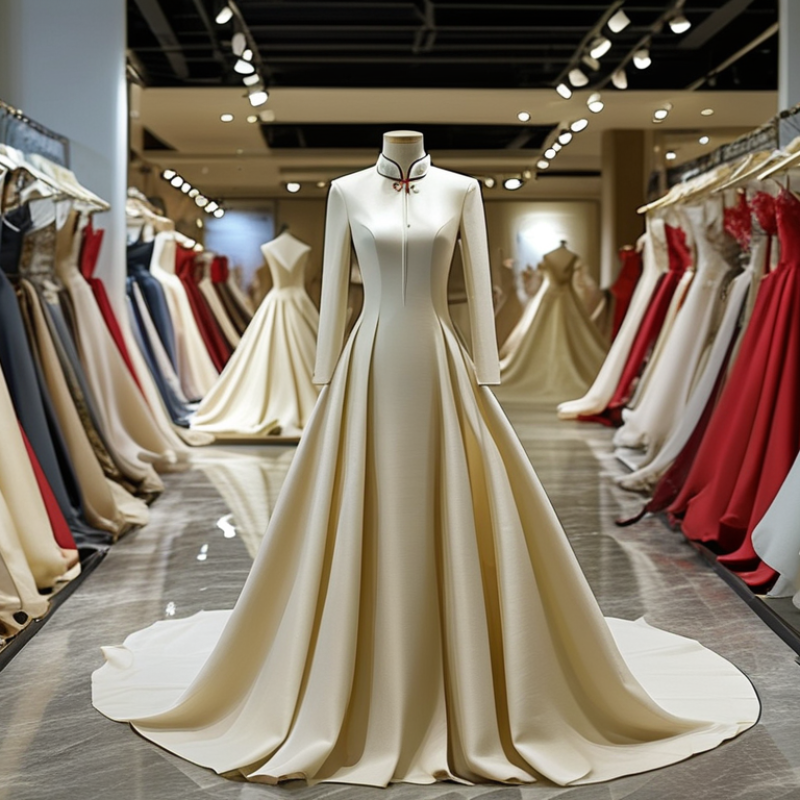
What Formal Dresses Are Best from China Top Suppliers?

Types of Formal Dresses Offered by China’s Top Suppliers

China’s top formalwear suppliers usually offer several distinct dress types. Ball gowns feature structured bodices, full skirts, and layered tulle for galas or evening ceremonies. A-line dresses create a softer silhouette and suit different body shapes. Mermaid gowns follow the waist and hips, then flare near the knees. They create strong visual drama.

Sheath and column dresses use cleaner lines, often with satin, crepe, or sequins. Cocktail dresses provide shorter hems for receptions, business dinners, and semi-formal events. Suppliers also produce mother-of-the-bride styles, modest long-sleeve gowns, plus-size patterns, and convertible dresses with removable sleeves or overskirts. Many factories support OEM and ODM development, including neckline changes, lining adjustments, beadwork, and private measurement charts. Small details matter.

According to the 2024 BoF-McKinsey State of Fashion report, consumers remain highly focused on value, quality, and product longevity. This supports choosing suppliers that provide fabric testing, seam inspection, and pre-production samples.

WRAP reports that extending clothing use by nine months can reduce carbon, water, and waste footprints by up to 20–30%.

A reusable formal dress therefore deserves practical attention, not only decoration. In supplier checks, request colorfastness results, measurement tolerances, packaging photos, and a sample made from production fabric. A beautiful sample is not proof of consistency. No supplier gets every detail right. Some catalog descriptions also exaggerate fabric weight or customization depth, so buyers should verify both before placing larger orders.

Key Features of High-Quality Chinese Formal Dresses

What Formal Dresses Are Best from China Top Suppliers?

High-quality Chinese formal dresses begin with dependable fabric and accurate construction. Satin should feel smooth, not excessively thin or noisy when touched. Chiffon needs clean edges and balanced layers. A full lining improves comfort, prevents transparency, and helps the dress keep its shape. Experienced buyers inspect shoulder seams, hems, zippers, and bead attachment by hand. Loose threads are small details, but they often reveal rushed production.

Fit is equally important. Reliable suppliers provide detailed size charts, garment measurements, and sample options before bulk production. The waist should sit naturally, while the bust area needs enough room for movement. A dress may look elegant in photographs yet feel restrictive after ten minutes. That detail is easy to miss. Color consistency, shrinkage testing, and careful packaging also deserve written confirmation. Independent quality checks can reduce misunderstandings, although they cannot replace clear communication.

Tips: Request a physical sample before ordering. Test the fabric under warm lighting and natural light. Check seam strength near the zipper. Confirm the lining, delivery schedule, and acceptable measurement tolerance. Keep approved measurements and photos in one file. One useful improvement is asking for a second sample after adjustments; it costs more time, but prevents expensive surprises. Suppliers with transparent production records and responsive quality teams are usually safer choices for formalwear buyers.

How to Evaluate China Formal Dress Suppliers

What Formal Dresses Are Best from China Top Suppliers?

How to Evaluate China Formal Dress Suppliers

Evaluating a formal dress supplier requires more than checking attractive catalog photos. Start with a detailed sample order. Examine fabric recovery, lining, zipper movement, seam strength, and bead attachment under normal handling. A reliable supplier should explain fiber content, size tolerances, production capacity, and alteration limits clearly. Vague answers are warning signs.

Ask for recent production photos and a live video tour of the workshop. Look for organized cutting tables, labeled materials, and consistent quality checks. Request a written quotation showing sample fees, minimum order quantities, lead times, packaging, and inspection arrangements. Confirm whether the supplier can provide appropriate documentation for textile composition and product safety in your sales market. Communication matters too. Delayed replies often become delayed production.

Request references from comparable buyers, not only large accounts. Compare the delivered sample with the approved specification, including color, measurements, stitching, and accessories. A small measurement chart can prevent expensive errors. Do not rely on one sample alone.

No review is perfect. A supplier may perform well on samples but struggle during peak seasons. I would test a modest first order before making a larger commitment. Keep every change in writing, including photos and revised measurements. Trust should grow from evidence, not polished promises.

Customization, Materials, and Production Options

Formal dresses from China’s top suppliers often stand out through flexible customization and consistent production capacity. Buyers can adjust necklines, sleeve lengths, hems, lining, and embellishments. A detailed tech pack prevents costly interpretation errors. Include measurements, sketches, color references, stitching requirements, and packaging instructions. Request a pre-production sample before approving bulk manufacturing. One sample may look excellent, yet the final batch can still reveal small differences.

Material selection changes both appearance and performance. Satin offers a smooth, reflective surface, while chiffon creates softer movement. Crepe usually provides a cleaner drape and resists obvious wrinkles. Ask suppliers for fabric composition, weight, stretch percentage, colorfastness, and lining details. Recycled fibers may support sustainability goals, but their hand feel can vary. Test the fabric under strong light and after gentle washing. Perfection is unlikely. Clear testing is more reliable.

Tips: Compare at least three samples. Check seam strength, zipper movement, hem consistency, and bead security. Confirm minimum order quantities, sample fees, lead times, and inspection stages in writing. Smaller production runs may reduce inventory risk, but they can raise unit costs. Larger orders often improve pricing, though storage pressure increases. Keep one approved sample as the quality reference. A supplier who explains limitations clearly may be more dependable than one promising everything.

What Formal Dresses Are Best from China Top Suppliers? - Customization, Materials, and Production Options

Formal Dress Type Best-Suited Materials Typical Customization Options Common Production Method Typical MOQ Typical Bulk Lead Time Best Use
A-Line Evening Dress Chiffon, satin, crepe, tulle Neckline, skirt length, lining, sleeve style, color matching Pattern cutting with machine sewing; optional hand finishing 50–200 pieces per style 30–60 days Galas, receptions, formal dinners
Mermaid Evening Gown Stretch crepe, satin, velvet, sequined mesh Train length, boning, waist shaping, back design, slit placement Structured tailoring with reinforced seams and lining 30–100 pieces per style 35–70 days Red-carpet events and high-end eveningwear
Cocktail Dress Polyester crepe, satin, lace, jacquard Hemline, sleeve construction, pockets, trims, print placement High-volume cut-and-sew production 100–300 pieces per style 25–50 days Parties, business receptions, weddings
Bridesmaid Dress Chiffon, satin, tulle, matte polyester Coordinated colors, size grading, neckline, waistline, length Standardized block patterns with size grading 100–500 pieces per color 30–60 days Wedding parties and coordinated events
Sequin Formal Dress Sequin mesh, stretch jersey, polyester lining Sequin density, motif, neckline, lining coverage, hem finish Embellishment application combined with machine sewing 50–200 pieces per style 40–75 days Stage events, celebrations, nightlife collections
Lace Formal Dress Guipure lace, embroidered tulle, lace-over-satin Lace placement, appliqués, lining color, sleeve and collar design Panel matching with manual appliqué and machine sewing 30–150 pieces per style 35–70 days Weddings, formal ceremonies, premium occasionwear
Structured Ball Gown Taffeta, satin, organza, tulle, horsehair braid Corsetry, petticoat volume, detachable train, embroidery, trims Corset construction with layered skirt assembly and hand finishing 20–80 pieces per style 45–90 days Balls, pageants, luxury formal collections
Sustainable Formal Dress Recycled polyester, organic cotton blends, linen blends, TENCEL™-type fibers Fabric certification requirements, low-waste patterns, recycled trims, packaging Cut-and-sew production with material traceability and waste control 100–300 pieces per style 35–70 days Eco-conscious occasionwear collections
Note: MOQ and lead-time figures are typical planning ranges for custom formal-dress production. Actual requirements vary according to fabric availability, embellishment complexity, size range, sampling approvals, order quantity, and shipping schedule.

Ordering, Quality Control, and Shipping Considerations

What Formal Dresses Are Best from China Top Suppliers?

A strong order begins with a precise product brief. Specify fabric composition, lining, measurements, color standards, embellishments, and packaging. Send one approved reference sample before bulk production. It reduces interpretation gaps.

Do not judge quality from photographs alone. Request a pre-production sample, then inspect workmanship under bright, neutral lighting. Check seam tension, zipper movement, bead security, stain marks, and size grading. ISO 2859-1 offers a structured sampling method for acceptance inspections. However, sampling cannot reveal every defect. I still recommend checking every carton’s labels and random dresses after packing. A small mistake can affect an entire size run.

Shipping planning needs equal attention. UNCTAD’s Review of Maritime Transport 2024 states that over 80% of global merchandise trade moves by sea. Sea freight is economical, but port delays can disrupt event-season deliveries. Confirm the incoterm, carton dimensions, cargo insurance, inspection date, and documents before payment milestones. Ask suppliers for a production timeline with buffer days. The World Bank’s 2023 Logistics Performance Index placed China 19th globally, showing strong logistics capability, yet performance still varies by port and carrier. Air freight may protect urgent orders, but its cost can change sharply. I once underestimated packaging volume; the dresses arrived safely, but the freight bill was higher than expected. That error deserved more planning.

FAQS

: What fabric qualities should I check in a formal dress?

: Satin should feel smooth and quiet when touched. Chiffon should have clean edges and balanced layers. Crepe should drape neatly. Check fabric weight, stretch, fiber content, and colorfastness. Perfection is unlikely.

Why is full lining important?

Full lining improves comfort and reduces transparency. It also helps the dress keep its shape. Check whether the lining feels smooth against skin. A thin lining may still cause problems.

How can I test a dress sample?

Inspect the shoulder seams, hem, zipper, and bead attachment by hand. Move the zipper several times. Gently pull near the seams. Test the fabric under warm and natural light. Small flaws matter.

What fit information should a supplier provide?

Request a detailed size chart and garment measurements. Confirm bust, waist, hip, shoulder, and dress length measurements. Check the allowed measurement tolerance. A beautiful photograph cannot prove comfort.

How should I evaluate a dress supplier?

Request a physical sample before placing a larger order. Ask for production photos and a live workshop video. Review cutting tables, labeled materials, and quality checks. Vague answers are warning signs.

What details should appear in a written quotation?

The quotation should show sample fees, minimum order quantities, lead times, packaging, and inspection arrangements. Confirm alteration limits and delivery expectations. Keep every change in writing. Memories can become unreliable.

How can I reduce differences between samples and bulk dresses?

Prepare a clear tech pack with measurements, sketches, colors, stitching, and packaging details. Approve a pre-production sample. Keep one approved sample as the quality reference. A second sample may prevent costly surprises.

Should I choose a small or large production order?

Smaller orders can reduce inventory risk but may increase unit costs. Larger orders may improve pricing and create storage pressure. A modest trial order seems safer. Peak seasons can still expose weaknesses.

Conclusion

China’s top formal dress suppliers offer a wide range of styles, including evening gowns, cocktail dresses, ball gowns, bridesmaid dresses, and elegant mother-of-the-bride designs. When considering what dresses are suitable for formal occasions, buyers should focus on the event’s dress code, silhouette, fabric, color, comfort, and overall finish. High-quality Chinese formal dresses typically feature precise tailoring, neat stitching, reliable closures, carefully selected materials, and consistent sizing. Quality can also be assessed through product samples, supplier communication, manufacturing experience, customer feedback, and clear inspection procedures.

Many suppliers provide customization options such as adjusted measurements, fabric selection, color matching, neckline changes, embellishments, and private-label production. Before placing an order, buyers should confirm minimum quantities, sample approval, production schedules, packaging, payment terms, and shipping arrangements. Detailed specifications and pre-shipment quality checks can help prevent issues with sizing, workmanship, or fabric consistency. By comparing suppliers carefully and maintaining clear communication throughout production, buyers can obtain formal dresses that are attractive, durable, well-finished, and suitable for different professional or special occasions.

Charlotte

Charlotte

Charlotte is a seasoned marketing professional with a deep understanding of the company's portfolio and a passion for elevating its presence in the market. With a keen eye for detail and a commitment to excellence, she ensures that our professional blog is regularly updated with insightful articles......