Layering a jacket effectively can enhance your outfit without compromising comfort. Understanding how to layer a jacket without looking bulky is essential for achieving a sleek look. Many people struggle with this balance. Overstuffed layers can mask your silhouette. Instead, aim for a tailored appearance that flatters your figure.
The key lies in selecting the right fabrics. Lighter materials work best and reduce bulk. Consider options like denim or soft knitwear when layering. These choices allow for movement while maintaining warmth. Thinking about colors can also help. Stick to a monochromatic scheme to create a streamlined effect. Layering should elevate your look, not detract from it.
It’s important to incorporate flexibility. Sometimes, you might find an outfit that feels right but looks heavy. Reflect on what went wrong, and adjust your approach for next time. With a little thought and experimentation, you can master the art of layering. Soon, you'll know how to layer a jacket without looking bulky, and that confidence will show in your style.
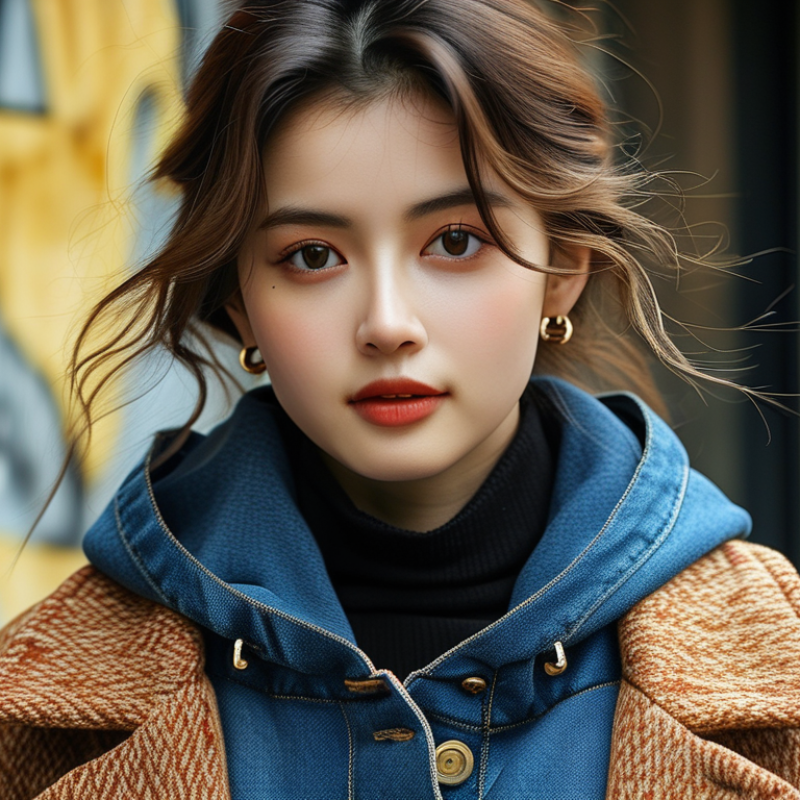
When layering a jacket, choosing the right base layer material is crucial. Lightweight, breathable fabrics keep you comfortable without adding bulk. According to the Textile Research Journal, materials like merino wool and synthetic blends wick moisture and regulate temperature effectively. This moisture management can enhance comfort, especially during physical activities.
Consider fabrics that offer flexibility and stretch. Materials like spandex or elastane can allow for movement without feeling restrictive. A study published in the Journal of Sports Sciences indicated that proper fit improves overall performance and comfort. This is vital for layering, as it avoids an overly bulky appearance while maintaining functionality.
Remember the importance of fit and function. Oversized base layers can contribute to a bulky look, even if the material is appropriate. Keep an eye on how layers interact. An article in the Fashion Institute of Technology’s research suggested that many people struggle with fit in layering. It's essential to experiment with different combinations to discover what works best for your style.
Layering a jacket can be tricky, especially when aiming for style without bulk. Understanding the fit is crucial. A well-fitted jacket offers structure. It flatters your silhouette and enhances the overall look. Avoid oversized jackets; they can quickly ruin an outfit. Instead, choose jackets that skim your body. This subtle fit allows for easier layering with other pieces.
When layering, start with lightweight fabrics. Choose thin sweaters or long-sleeved shirts as your base. This approach reduces bulk. If you have a thicker jacket, emphasize lighter inner layers. Experiment with different lengths. A cropped jacket can look chic over a longer top. Conversely, a longer jacket can balance fitted bottoms.
Pay attention to color and texture. Monochrome or similar tones help create a streamlined look. Textured fabrics can add visual interest without added weight. Sometimes, less is more. It might be tempting to pile on layers, but too many can overwhelm your frame. Aim for a polished finish that feels effortless yet intentional. Look for those moments of clarity amidst your ensemble, and don't shy away from reflecting on what works best for you.
This bar chart shows the effectiveness scores of 10 tips for layering a jacket without looking bulky. Each tip is rated on a scale from 1 to 10 based on how effective it is in avoiding bulkiness while layering.
Layering a jacket effectively is all about understanding proportions. When considering your outfit, keep in mind that balance creates a more flattering silhouette. According to a report by the Fashion Institute of Technology, well-proportioned layers can enhance perceived height, making you appear taller and slimmer. Aim for a slim-fit top under a slightly looser jacket. This trick prevents the bulky look that often occurs with multiple layers.
The choice of fabrics plays a crucial role in achieving this balance. Lightweight materials such as cotton or modal are preferable for inner layers. These fabrics are breathable and won’t add unnecessary weight. Additionally, wearing darker colors underneath can create an optical illusion that streamlines your appearance. A recent survey from the Professional Dress Association noted that individuals who adeptly use proportions in their attire often report a boost in confidence and overall satisfaction with their appearance.
Consider the length of your layers. A long jacket paired with a shorter top can disrupt visual flow. Instead, opt for a cropped piece with a longer jacket. This technique directs attention upward, drawing focus to your face. Remember, layering is as much about comfort as it is about style. Many individuals struggle with layering due to concerns over feeling restricted. Embrace what works for you while experimenting with these guidelines. Each attempt can lead to discoveries about your personal style.
Layering is an art. The right color scheme plays a significant role in achieving a streamlined look. When selecting your outerwear, consider colors that complement each other. Soft, monochromatic palettes can create an elongated silhouette. For instance, pairing a light gray jacket with a white top can keep things visually light. Darker tones can have a slimming effect too, but be cautious. Too much black can seem heavy, especially with bulky layers.
Textures matter as well. Incorporating different materials can enhance visual interest while keeping the look fresh. For example, a chunky knit under a sleek leather jacket can create a lovely contrast. However, mixing too many textures may overwhelm your outfit. Focus on balance. If one piece is bold, let other pieces remain understated. This approach prevents a cluttered appearance.
Accessorizing with the right colors can elevate your overall look. A bright scarf can draw attention upward, adding a pop without adding bulk. Yet, be mindful not to over-accessorize. Too many colors can clash and create confusion. Ultimately, the key is to experiment. Learning what works for you may take time. Embrace the process, and don’t shy away from trying various combinations until you find your ideal layered look.
Layering a jacket can be challenging. It’s easy to feel bulky. One effective way to avoid this is by accessorizing wisely. Choose lightweight fabrics that breathe. Consider using thin cardigans or long-sleeve tops under your jacket. They add warmth without excess volume.
Belts can transform your look. A well-placed belt can create shape. It defines your waist and pulls the outfit together. Scarves are another smart accessory. Opt for lighter, flowy fabrics. They add texture without overwhelming bulk. Remember, accessories should enhance, not hinder.
Layering isn't just about warmth. It's about balance and proportion. Play with colors and patterns. This creates visual interest. Sometimes, a mismatched layer can offer charm. Reflect on your choices. Not every combination will work. Experiment and find your unique style.
| Tip Number | Layering Tip | Description |
|---|---|---|
| 1 | Opt for Lightweight Fabrics | Choose materials like cotton or light down that won't add significant weight. |
| 2 | Use Fitted Layers | Wear fitted tops beneath to mitigate bulk. |
| 3 | Color Coordination | Stick to a monochromatic scheme to elongate your silhouette. |
| 4 | Accessorize Strategically | Use accessories like scarves that add interest without bulk. |
| 5 | Layer in Thinner Sections | Choose multiple thin layers instead of one thick layer. |
| 6 | Select Zip-up Jackets | Zipping up helps maintain a sleek profile compared to button-up styles. |
| 7 | Wear a Long Cardigan | A long cardigan can provide warmth without adding bulk to the waist. |
| 8 | Avoid Excessive Layers | Keep it simple; don’t over-layer to avoid a bulky look. |
| 9 | Prioritize Structured Outerwear | Choose jackets with a structured fit that follow your body's lines. |
| 10 | Experiment with Textures | Mixing textures can create depth without adding bulk. |
: The right base layer keeps you comfortable and prevents bulk. Lightweight, breathable fabrics are best.
Merino wool and synthetic blends are effective for moisture management. They regulate temperature well during activities.
Proper fit is crucial. Oversized layers can appear bulky, even with the right material. A close fit enhances comfort.
Understanding proportions is key. A slim-fit top under a looser jacket can create a flattering silhouette.
Lightweight materials like cotton are preferable for inner layers. They provide breathability without adding weight.
Layer length affects visual flow. Pairing a long jacket with a shorter top can create imbalance.
Accessories should complement your look. Lightweight cardigans and belts can add shape without bulk.
Yes, play with colors and patterns. Mismatched layers can add charm and visual interest.
Experiment with different combinations. Not every mix will work, but each try can lead to personal discovery.
Many struggle with feeling restricted in layers. It's essential to embrace comfort while exploring styles.
To master how to layer a jacket without looking bulky, it's essential to start with the right base layer material. Fabrics that are lightweight yet warm can provide the necessary insulation without adding excessive volume. Understanding the fit of your jacket is also crucial; a tailored cut enhances your silhouette and prevents a cumbersome appearance.
Utilizing proportions effectively can transform your layered look. Pairing longer layers with shorter ones can create balance, while a cohesive color scheme helps in achieving a streamlined aesthetic. Finally, accessorizing wisely is key; choose layers that complement your outfit without contributing to bulk. By following these tips, you can confidently layer jackets while maintaining a sleek and put-together look.

ASALUXE Fashion