In today’s rapidly evolving fashion industry, the choice of materials significantly impacts sustainability. “Organic Cotton Denim offers a unique blend of style and environmental responsibility,” says Dr. Emily Carter, a leading expert in sustainable textiles. This statement highlights the growing importance of eco-friendly practices within the fashion sector.
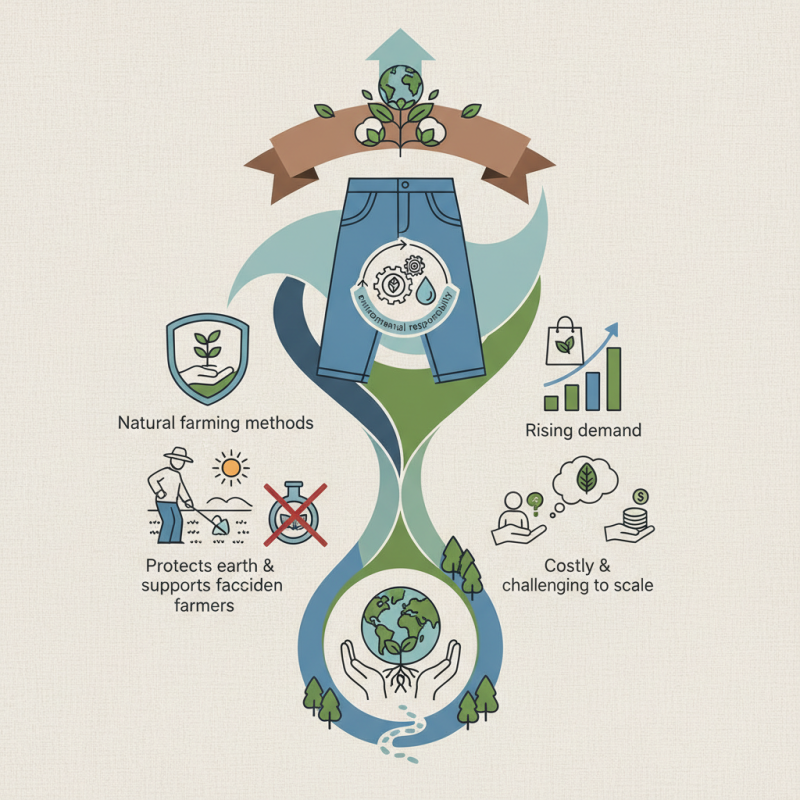
Organic Cotton Denim stands out as a solution for modern consumers who prioritize sustainability. Unlike conventional cotton, organic varieties use natural farming methods, free from harmful pesticides. This dedication to eco-friendly practices not only protects the earth but also supports farmers. However, the process can be more costly and challenging to scale, which raises questions about accessibility.
Despite these challenges, the demand for Organic Cotton Denim continues to rise. As more brands commit to sustainability, consumers must also reflect on their choices. Investing in these materials can pave the way for a greener future, making each purchase an opportunity for positive change. Ultimately, choosing Organic Cotton Denim is not just a fashion statement; it’s a commitment to a more sustainable world.
Benefits of Organic Cotton in Sustainable Fashion
Organic cotton denim is more than a fashion statement. It reflects a deeper commitment to sustainability. According to the Global Organic Textile Standard, organic cotton uses 91% less water than conventional cotton. This significant reduction helps conserve vital water resources, especially in regions facing drought.
In addition, organic farming methods eliminate harmful pesticides. Research by the Textile Exchange shows that organic cotton farming enhances soil health. As a result, it fosters biodiversity and reduces chemical runoff. This is crucial for ecosystems surrounding farms. However, the transition to organic practices requires time and effort. Some farmers may struggle to meet organic certification standards.
Another important aspect is the reduction of carbon emissions. The Organic Trade Association indicates that organic cotton has a lower carbon footprint. This reduction is crucial in combating climate change. Yet, organic cotton still represents a small percentage of global cotton production, about 1%. This fact highlights the need for increased support and awareness in the fashion industry. Fashion brands and consumers must advocate for more sustainable choices. Choosing organic cotton denim helps promote this necessary shift.
Environmental Impact of Conventional Cotton Production
Conventional cotton production poses significant environmental challenges. Large-scale farming relies on harmful pesticides and fertilizers. These chemicals leach into the soil and water, creating toxic environments. Additionally, cotton farming is water-intensive, often depleting local water supplies. This leads to soil degradation and loss of biodiversity. The consequences of these practices are dire. Communities can suffer from health issues due to chemical exposure. Wildlife habitats shrink as arable land expands.
Choosing organic cotton denim can significantly mitigate these impacts. Organic farming practices focus on sustainability. They avoid synthetic chemicals and prioritize soil health. Organic farms often use crop rotation, which enriches the soil. This leads to healthier ecosystems. Organic cotton uses less water, benefiting local communities. By opting for organic denim, consumers support environmentally friendly practices.
Tips: Look for certifications when shopping. Labels can guide you to environmentally responsible choices. Try second-hand shopping. Every pre-loved item reduces demand for new production. Engage with brands on social media about their environmental practices. Your voice can encourage more sustainable changes in fashion.
Comparative Analysis: Organic Cotton vs. Conventional Cotton
When comparing organic cotton to conventional cotton, several key differences emerge. Organic cotton is grown without harmful pesticides or synthetic fertilizers. This results in cleaner water sources and healthier soil. Conventional cotton cultivation relies heavily on chemicals. These inputs can harm local ecosystems and communities.
Organic cotton also promotes better biodiversity. It helps support various plant and animal species. In contrast, conventional farming often leads to monocultures. This lack of diversity can weaken the ecosystem over time. Additionally, organic farming practices focus on sustainable crop rotation. This method enhances soil health and reduces erosion.
The benefits extend to the final product as well. Organic cotton denim is softer and more breathable. It also tends to have a lower environmental impact during production. However, the yield from organic methods can be lower. This can lead to higher prices. Some consumers may find it challenging to justify this cost. Still, investing in organic cotton supports a more sustainable future. It’s a step toward responsible fashion that balances style with environmental care.
Ethical Labor Practices in the Organic Cotton Industry
The organic cotton industry is often celebrated for its environmental benefits, but the focus on ethical labor practices is equally important. Workers in this sector are typically paid fair wages, empowering them to build better lives. Many farms prioritize safety and respect in the workplace. However, issues still arise. Some laborers face long hours without proper breaks, which can lead to exhaustion and burnout.
Transparency is vital in ensuring ethical practices. Farms that cultivate organic cotton often undergo rigorous audits. This helps maintain standards for worker treatment and wages. Despite these measures, not all farms are compliant. Consumers need to ask questions about production practices. Are the workers treated well? Are they receiving the benefits they deserve?
Supporting organic cotton means advocating for workers, not just the planet. Consumers can make informed choices by researching brands. Look for those that emphasize ethical labor in their marketing. While strides have been made, constant vigilance is necessary. Just because a product is labeled "organic" does not guarantee fair treatment of workers. We must reflect on these complexities as we navigate sustainable fashion.
Why Choose Organic Cotton Denim for Sustainable Fashion? - Ethical Labor Practices in the Organic Cotton Industry
| Dimension |
Description |
Statistical Data |
| Organic Cotton Cultivation |
Grown without synthetic pesticides and fertilizers |
90% less water used compared to conventional cotton |
| Labor Practices |
Fair wages and safe working conditions for farmers |
100% of certified organic cotton farms comply with fair trade standards |
| Environmental Impact |
Reduced carbon footprint compared to conventional methods |
50% lower carbon emissions |
| Chemical Use |
Free from harmful chemicals in processing |
80% less chemical usage in production |
| Water Usage |
Significantly reduced water requirements |
One pair of jeans uses 1,800 gallons less water than conventional denim |
| Biodiversity |
Promotes use of crop rotation and natural pest control |
Improves local ecosystems by enhancing biodiversity |
Trends and Future of Organic Cotton Denim in Fashion
The trend towards organic cotton denim is reshaping sustainable fashion. As consumers grow more environmentally conscious, the demand for responsibly sourced materials increases. Reports indicate that the global organic cotton market is projected to reach $9 billion by 2025, a clear indication of its rising popularity. This market shift highlights the importance of sustainable practices in the fashion industry.
Organic cotton denim reduces environmental impact significantly. Traditional cotton farming uses harmful pesticides and fertilizers, affecting soil and water quality. In contrast, organic methods rely on natural practices, seeking to maintain biodiversity. Studies show that organic cotton use can lower water consumption by up to 91% compared to conventional cotton. Despite its benefits, challenges remain. Organic cotton often comes with higher production costs, which can affect pricing.
The future of organic cotton denim involves innovation and education. Brands are exploring new processes to enhance yield while maintaining sustainability. More educational resources are needed to inform consumers about the value of choosing organic. Transparency in sourcing can build trust, but it requires commitment from the industry. Moving forward, collaboration between farmers, manufacturers, and consumers is essential for growth.
Conclusion
Organic Cotton Denim represents a significant step towards sustainable fashion, offering numerous benefits that align with eco-friendly practices. Unlike conventional cotton, which has a substantial environmental footprint due to pesticide use and high water consumption, organic cotton is cultivated without harmful chemicals, resulting in healthier soil and ecosystems. This transition not only mitigates environmental damage but also supports ethical labor practices within the organic cotton industry, ensuring fair treatment and safe working conditions for farmers.
As awareness of these advantages grows, the demand for Organic Cotton Denim is surging. Consumers are increasingly recognizing the importance of selecting materials that are not only sustainable but also contribute to a fairer fashion industry. Trends indicate a bright future for Organic Cotton Denim, as fashion brands embrace these eco-conscious materials, paving the way for more sustainable practices in their collections.

 ASALUXE Fashion