The right coat can make a work outfit feel intentional before you reach the office door. It also has a practical job: keeping you warm, leaving room for a blazer, and surviving crowded commutes. So, what coat is best for work outfits? The answer depends on your climate, dress code, and daily routine—not just the current trend.
The U.S. Bureau of Labor Statistics’ 2023 Consumer Expenditure report puts average annual spending on apparel and services at $2,041 per consumer unit. That figure covers more than coats, but it offers useful context: a work coat is worth choosing for repeat wear, not one impressive mirror check. Fit matters, too. Coco Chanel’s well-known observation, “Fashion is architecture: it is a matter of proportions,” offers a useful lens for judging hem length, shoulder shape, and how a coat sits over tailored layers. Even careful shoppers get this wrong sometimes. A beautiful coat can still pull across the back.
In these seven tips, we’ll compare silhouettes, fabrics, colors, and details that earn their place in a working wardrobe. Look for specifics: a sleeve that covers your jacket cuff, buttons you can fasten with cold hands, and pockets deep enough for a phone. There is no single perfect choice. A wool wrap coat may suit a formal office, while a structured trench may handle wet walks better. The best option is the one that works with your real clothes, weather, and schedule.
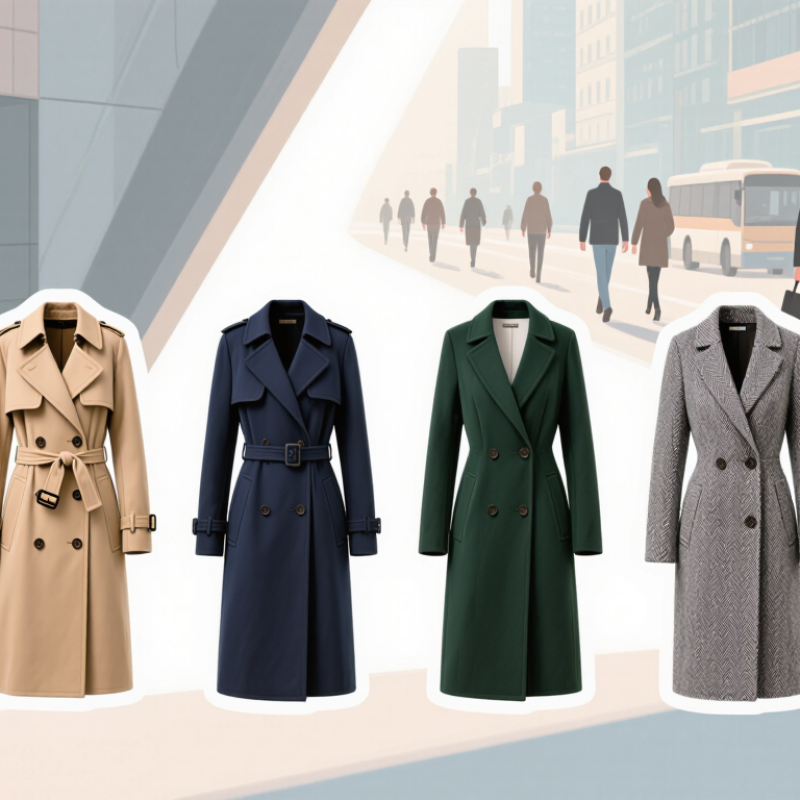
In a work wardrobe, a coat is the bridge between the weather outside and the outfit you need indoors. It should shield a shirt or blazer from wind and light rain without pulling at the shoulders or hiding the outfit’s shape. ASHRAE’s thermal-comfort guidance treats clothing insulation as a measurable factor; a typical business suit is about 1 clo. A coat adds another layer, so warmth matters—but so does being able to remove it easily. Small detail. Check that sleeves do not bunch when you reach for a bag, and that the front closes comfortably over your usual work layers. One easy-to-miss mistake is choosing a sharp silhouette before checking how it moves.
A useful work coat earns regular wear across commutes, meetings, and changing temperatures. The U.S. Environmental Protection Agency’s 2018 materials report estimated that 17 million tons of textiles entered the municipal waste stream, with 11.3 million tons landfilled. Those figures cover all textiles, not coats alone, but they make durability worth considering. Look for sturdy seams, a lining that slides over sleeves, and pockets that hold a transit card without distorting the front. A versatile neutral may pair easily with several outfits, though it can feel uninspiring. That trade-off is real. Choose a coat you can maintain and comfortably wear often, rather than one that looks perfect only on a hanger.
| Tip | Role in a Work Wardrobe | What to Check | Practical Guidance | Best Suited For |
|---|---|---|---|---|
| 1. Match the coat to your workplace | A coat is often the outermost layer people see during a commute or when arriving at work, so it can set the tone for an outfit. | Consider your workplace dress code, the formality of your usual outfits, and whether you need to wear the coat indoors. | Choose a clean-lined, understated design for formal settings. More relaxed workplaces can accommodate softer shapes and less structured styles. | Office environments ranging from business formal to business casual. |
| 2. Prioritize fit over trend | A comfortable fit helps the coat sit neatly over work clothes and allows unrestricted movement throughout the day. | Check shoulder seams, sleeve length, fastening comfort, and room across the chest and hips while wearing a typical work layer. | Try the coat over a blazer or sweater if you regularly wear one. The shoulders should not pull, and sleeves should allow comfortable arm movement. | Daily commutes and outfits that include tailored layers. |
| 3. Choose fabric for your climate | The fabric determines how much warmth and weather protection the coat provides, making it an important part of everyday comfort. | Look at fabric composition, lining, weight, care instructions, and whether the coat is designed for rain, wind, or cold temperatures. | Use a lighter coat for mild conditions and a warmer, lined coat for colder weather. For frequent rain, choose a water-resistant outer layer rather than assuming every wool coat is waterproof. | Seasonal wardrobes and commutes exposed to changing weather. |
| 4. Select a versatile color | A neutral or coordinating color makes a coat easier to wear repeatedly with different work outfits. | Compare the coat with the main colors in your wardrobe, including trousers, skirts, dresses, and shoes. | Common versatile choices include navy, charcoal, camel, and black. Choose a color that complements your existing clothes rather than relying on color alone to determine formality. | Capsule work wardrobes and frequent outfit rotation. |
| 5. Consider length and proportions | Coat length affects coverage, ease of movement, and how the outer layer balances with the rest of an outfit. | Check how the hem works with your usual skirts, dresses, trousers, and footwear, as well as how easy it is to walk or sit. | A shorter coat can be convenient for active commutes, while a longer coat may provide more coverage in cold weather. Make sure the hem does not interfere with walking or cycling. | Different commuting methods and a range of work outfit silhouettes. |
| 6. Check useful details | Practical features can make a coat more comfortable and functional during a workday without changing its overall appearance. | Inspect pocket placement, closures, collar coverage, lining, vents, and whether the coat is easy to put on and remove. | Look for secure pockets for everyday essentials and closures that are easy to use. If you carry a bag, check that straps sit comfortably over the coat. | Long commutes, outdoor walking, and busy schedules. |
| 7. Balance care with cost per wear | A coat that suits your routine and is straightforward to maintain is more likely to remain a dependable part of your work wardrobe. | Review care requirements, expected seasonal use, construction, and the coat's compatibility with clothes you already own. | Before buying, check the care label and estimate how often you will wear it. A durable, versatile coat can be a practical choice when it serves several outfits and occasions. | Long-term wardrobe planning and regular weekday wear. |
Choose a straight or gently shaped coat that follows your shoulders. Its hem should clear the blazer comfortably.
Compare the coat length with the hem. A longer, clean silhouette can create a calmer line.
Try it over your usual office layers. Sit, raise your arms, and carry your work bag. Comfort matters more than the hanger.
Wool blends can hold warmth and look polished. They may feel heavy in rain, though.
A water-resistant shell, sealed seams, and a hood can help in drizzle. For dry cold, insulation and wind resistance may matter more.
Wear a sweater or jacket underneath. Reach forward and sit down; the shoulders should stay comfortable, and the buttons should not pull.
Read the care label and consider where you can clean the coat. Specialist cleaning may take more time and money than expected.
Consider cost per wear, durable stitching, and practical colors. Check cuffs and hems for signs of wear. I still sometimes overlook upkeep.
Choosing the right coat for work means balancing professional appearance with everyday practicality. Start by considering your workplace dress code and daily routine: a formal office may call for a polished, structured style, while a more relaxed setting can accommodate a versatile, casual silhouette. Think about how the coat will work with the outfits you wear most often, including their lengths, layers, and colors. Asking what coat is best for work outfits also means considering your commute and local weather, since warmth, wind resistance, and rain protection can matter as much as appearance.
Before choosing, check that the coat fits comfortably over work clothes and allows you to move freely. Compare fabrics for warmth, durability, and ease of care, and consider whether cleaning requirements suit your schedule. A well-made coat that coordinates with several outfits and holds up to regular wear can offer better long-term value than one chosen for looks alone.

 ASALUXE Fashion