When the temperature plummets, selecting the right winter jacket becomes crucial. Whether trekking through snow or commuting to work, a well-chosen jacket is essential for survival. According to the Outdoor Industry Association, nearly 70% of consumers prioritize warmth when buying cold-weather gear. Understanding how to pick a winter jacket for extreme cold can be overwhelming, especially with many options available.
Expert Mark Walker, a renowned cold-weather gear specialist, emphasizes, "Investing in a quality jacket can make a drastic difference in how you experience winter." His insights highlight the need to consider insulation types, weight, and waterproof materials. For example, down insulation is incredibly warm but may falter in wet conditions. Conversely, synthetic materials excel in moisture but can be bulkier.
As you search for your ideal jacket, think about where and how you'll use it. A jacket that is perfect for a ski trip may not be suitable for daily use. Reflect on your activities. Are you hiking, skiing, or facing the urban chill? Each scenario requires different features. Remember, this choice impacts your comfort and safety in extreme cold.
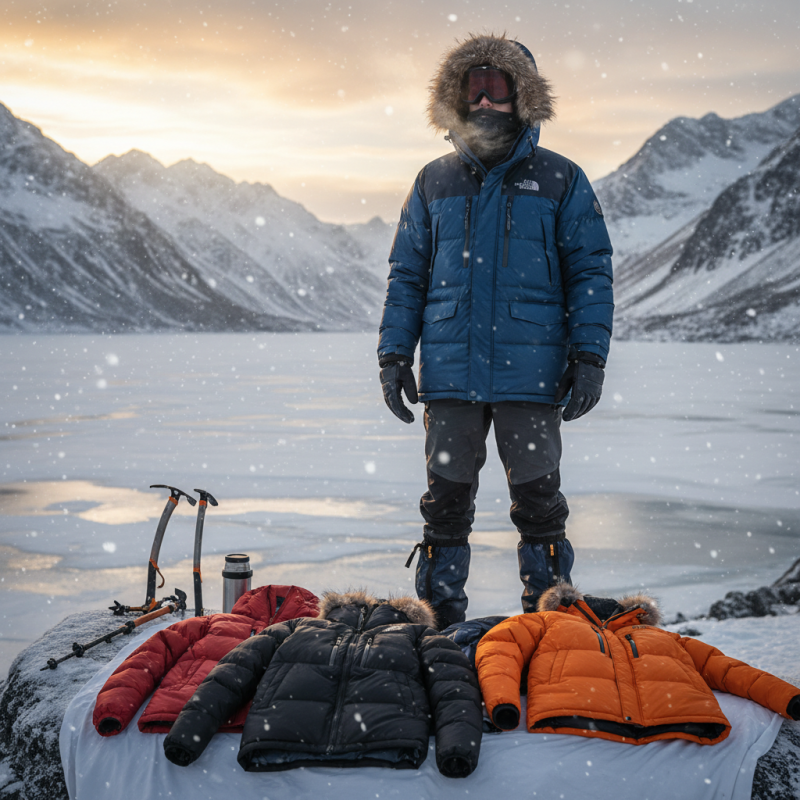
When choosing a winter jacket, understanding extreme cold weather conditions is crucial. These conditions can vary significantly based on geography and personal experience. Extreme cold typically refers to temperatures below 20°F (-6°C), where risks of frostbite and hypothermia increase. Wind chill can further exacerbate the situation, making it feel much colder.
A good jacket should provide thermal insulation. Look for materials that effectively trap body heat. Down insulation is often favored for its lightweight and warmth. However, synthetic materials perform better when wet. Consider how often you'll be exposed to freezing rain or snow.
Tips: Always check waterproof ratings. A jacket that resists moisture is vital in extreme cold. Keep in mind that layering is essential. A well-structured layering system can help regulate body temperature. Don't overlook breathability—if sweat builds up, you’ll feel colder.
When shopping, focus on fit. A snug jacket retains heat better than a loose one. Try jackets on with layers underneath to ensure comfort. Reflect on your activities in extreme cold. Will you be stationary, or will you move frequently? Your jacket should accommodate both scenarios effectively.
When selecting a winter jacket for extreme cold, pay attention to insulation. Down insulation provides excellent warmth but is less effective when wet. Synthetic insulation, on the other hand, performs well even in damp conditions. Some jackets combine both types for optimal performance. Look for jackets with fill power ratings above 600 for superior insulation.
Water resistance is another critical feature. A jacket’s material should repel moisture and snow. Check for a waterproof exterior layer to ensure you stay dry. Sealed seams further enhance protection against cold winds. Additionally, consider the jacket's breathability. A good winter jacket allows moisture generated from body heat to escape, preventing you from feeling clammy.
Size and fit matter too. Ensure the jacket allows room for layering. A snug fit can restrict movement and warmth. Look for adjustable cuffs and hems to keep cold air out. Reflect on your activities; different styles suit various needs. Some may prefer a long coat, while others might need a shorter, more mobile option. Balancing these factors can be tricky but essential for tackling extreme cold efficiently.
Insulation materials play a crucial role in selecting a winter jacket for extreme cold. Various options include down, synthetics, and blends. Down insulation is lightweight yet highly effective, with a warmth-to-weight ratio of approximately 3:1. However, it loses its insulating power when wet. A report from the Outdoor Industry Association highlights that 70% of consumers prefer waterproof insulation for cold, wet conditions.
Synthetic materials, such as polyester, offer an alternative. They maintain warmth even when damp. Many synthetic options mimic down's loft but can be bulkier. A recent study indicated that 60% of outdoor enthusiasts value warmth retention during prolonged exposure to cold. This shows the importance of choosing the right insulation based on activity and conditions.
A blend of materials often provides the best results. For instance, jackets using a combination of down and synthetic insulation are becoming popular. They balance the benefits effectively. Yet, some users report that layering can feel bulky. Others mention discomfort around the neck and arms with certain styles. Always consider personal comfort alongside insulation effectiveness when making a choice.
This chart compares the effectiveness of various insulation materials used in winter jackets based on their R-value, which measures thermal resistance. Higher R-values indicate better insulation performance, making the jackets suitable for extreme cold weather.
When it comes to selecting the ideal winter jacket for extreme cold weather, fit and style play crucial roles. A well-fitted jacket helps trap body heat, reducing the risk of hypothermia. According to the National Weather Service, layering under a properly fitting jacket can increase warmth significantly, ensuring comfort in biting winds. A loose jacket may look stylish, but it fails to provide adequate insulation.
Consider insulation materials such as down, which can retain warmth even in very low temperatures. A figure from the American College of Sports Medicine confirms that a jacket with at least 600-fill power down can provide sufficient warmth in extreme conditions. Pairing a snug fit with a stylish design creates a practical yet fashionable layer.
Tips: Focus on functionality. Look for jackets with adjustable cuffs for better wind resistance. Also, consider length—longer jackets often shield the core better. While style is essential, it’s vital to choose practicality over aesthetics for harsh weather. A beautiful jacket that doesn’t fit right might leave you frozen and regretting your choice.
Choosing the right winter jacket for extreme cold requires thoughtful considerations. Waterproofing is crucial. It protects against moisture, ensuring you stay dry. A jacket made from breathable waterproof materials helps regulate body temperature. Incorporating features like storm flaps and tightly sealed seams enhances water resistance.
Layering techniques play a pivotal role in maintaining warmth. Start with a moisture-wicking base layer. This keeps sweat away from the skin. Follow up with an insulating layer, like fleece or down. These materials trap heat effectively. The outer layer should be both waterproof and windproof to shield against harsh elements.
However, it’s essential to evaluate your environment. Not every jacket suits every condition. Testing gear in various weather can help identify what works best. Adjustments may be necessary based on personal comfort and activity levels. Remember, flexibility is key in extreme conditions. Your choice should reflect both functionality and comfort.
| Jacket Type | Insulation Type | Waterproof Rating (mm) | Layering Technique | Ideal Temperature Range (°F) |
|---|---|---|---|---|
| Down Jacket | Duck Down | 15,000 | Base Layer + Insulating Layer | -20 to 30 |
| Synthetic Insulated Jacket | Synthetic Fiber | 10,000 | Base Layer + Synthetic Insulation | -10 to 20 |
| Parkas | Mixed Insulation | 20,000 | Thermal Base Layer + Heavy Insulation | -30 to 15 |
| Shell Jacket | No Insulation | 30,000 | Insulating Layer + Shell | 10 to 40 |
| Fleece Jacket | Fleece Material | N/A | Base Layer + Fleece + Shell | 20 to 50 |
: Extreme cold typically refers to temperatures below 20°F (-6°C).
Insulation traps body heat, keeping you warm in freezing conditions.
Down is lightweight and warm. Synthetic performs better when wet but can be bulkier.
A snug fit retains heat better. Ensure it's not too tight for layering.
Look for waterproof ratings and a jacket with a moisture-repellent exterior.
Breathability allows sweat to escape, preventing you from feeling clammy and cold.
Yes, layering helps regulate body temperature and provides flexibility for activities.
Adjustable cuffs and hems keep cold air out and enhance comfort while wearing layers.
Consider if you’ll be stationary or moving. Your jacket should meet both scenarios effectively.
Be cautious with materials that lack waterproof properties or provide inadequate insulation.
When considering how to pick a winter jacket for extreme cold, it's essential to first understand the specific weather conditions you'll face. This includes evaluating factors like wind chill, precipitation, and temperature extremes. Key features to prioritize include a robust insulation system, designed to trap body heat while allowing for breathability, as well as a snug fit to prevent drafts.
Additionally, the choice of insulation materials can greatly impact the jacket's effectiveness; down and synthetic options each have their benefits. Beyond insulation, it's crucial to consider waterproofing properties and layering techniques to ensure versatility in varying climates. By combining these elements, you can select a jacket that not only provides superior warmth but also meets your unique style and functionality needs.

ASALUXE Fashion