How to Choose What to Wear Under a Coat in Winter?

Time:2026-10-26 Author:Liam
0%

Choosing what to wear under a coat in winter is more practical than simply adding thicker layers. The right combination should trap warm air, move moisture away from your skin, and leave enough room for comfortable movement. A heavy sweater can feel warm at the door, yet become uncomfortable on a crowded train. A thin thermal top may perform better during a long walk.

Dr. Stephen Cheung, an environmental physiologist who studies human performance in cold conditions, explains, “Layering allows you to regulate your temperature as conditions change.” This principle guides our approach to what to wear under a coat in winter. Start with a moisture-wicking base layer, such as merino wool or a breathable synthetic fabric. Add a lightweight insulating layer, like a fleece pullover or fine wool sweater. Then check the coat’s fit. Tight sleeves can compress insulation and restrict circulation.

Small details matter. A cotton shirt may feel pleasant indoors, but it can hold sweat during outdoor activity. That damp fabric may leave you chilled later. A scarf can close the gap around your neck, while thin gloves protect your hands without creating bulky pockets. Not every winter day needs three layers. Sometimes, that is too much.

Personal comfort also depends on wind, humidity, walking speed, and indoor heating. I have underestimated mild weather before and regretted wearing a thick knit. This guide considers those imperfect choices. It offers practical, evidence-informed ways to build a warmer outfit without unnecessary bulk, awkward movement, or guesswork.
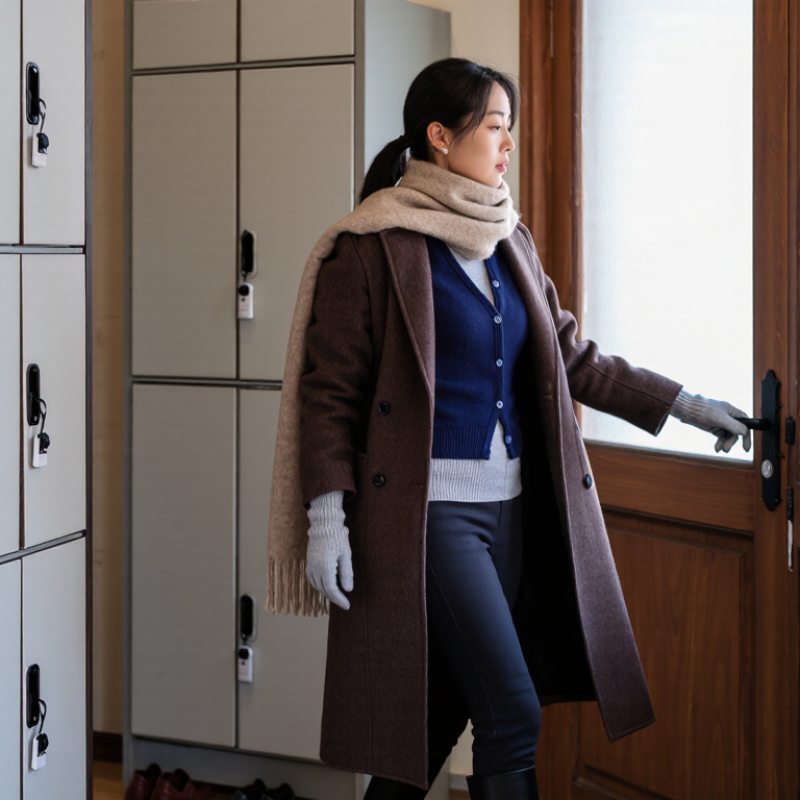
How to Choose What to Wear Under a Coat in Winter?

Understanding Winter Coat Layering and Clothing Needs

How to Choose What to Wear Under a Coat in Winter?

Understanding winter coat layering starts with the weather and your activity. A warm city commute needs different clothing from a windy hike. I usually begin with a close-fitting base layer that moves sweat away from the skin. Merino wool or a smooth synthetic fabric can work well. Cotton feels comfortable, but it often stays damp after sweating.

The middle layer traps warm air around your body. A thin fleece, wool sweater, or light insulated vest can provide useful warmth without restricting movement. Leave enough space for air, but avoid bulky folds beneath the coat. Your arms should lift easily. Test this indoors before leaving. I once wore a thick sweater under a narrow coat and felt colder because my shoulders could not move naturally.

The outer coat should block wind and manage rain or snow. Check the collar, cuffs, and hem, since small openings can release heat quickly. On milder days, use fewer layers and carry one extra piece instead of overheating. In very cold conditions, add warmth to your head, hands, and feet. These areas can change your comfort noticeably. Layering is personal, and the perfect combination may take several attempts. A coat that feels ideal while standing may feel too warm during a fast walk. Pay attention to damp fabric, restricted breathing, and cold spots. They are useful signals, not minor details.

Choosing Base Layers for Warmth and Moisture Control

How to Choose What to Wear Under a Coat in Winter?

Choosing Base Layers for Warmth and Moisture Control

A warm coat works better when your base layer manages sweat. Start with a close-fitting shirt that touches your skin without restricting movement. Merino wool can provide warmth while helping control odor during long outdoor days. Synthetic fabric often dries faster after commuting, hiking, or unexpected rain. Cotton feels comfortable at first, but it can hold moisture against your body. That damp feeling becomes uncomfortable when the temperature drops. Choose the fabric according to your activity, not only the forecast.

Tips: Wear a lightweight base layer for active movement and a heavier one for slow, cold outings. Check the fabric at your neck and wrists, where gaps can release heat. Add a thin mid-layer if your coat feels roomy. Avoid wearing too many tight layers; compressed fabric may reduce comfort and movement. Keep a spare dry shirt in your bag for long trips.

I usually test a base layer indoors before wearing it outside. If my back feels clammy after ten minutes, the fabric is not suitable for that activity. My own mistake was choosing a thick shirt for a brisk walk. I overheated, then felt chilled when I stopped. A thinner, moisture-managing layer would have worked better. Pay attention to seams, labels, and sleeve length, since small irritations become distracting in winter. Personal comfort matters, but it should be checked through actual movement, changing weather, and repeated wear.

Selecting Mid-Layers for Insulation and Comfort

How to Choose What to Wear Under a Coat in Winter?

Selecting Mid-Layers for Insulation and Comfort

A warm coat cannot do all the work. The mid-layer traps air beside your body and manages moisture during movement. For daily winter walks, I usually choose a thin merino-wool blend or a breathable synthetic shirt. Wool feels warm when slightly damp, while synthetic fabric often dries faster. Cotton is comfortable indoors, but it can stay wet against the skin. That matters when wind reaches your back.

Fit is more important than thickness. A close base layer, flexible mid-layer, and roomy coat should move without pulling at the shoulders. Try the full combination before leaving home. Raise your arms. Sit down. Check whether the sleeves bunch under your coat. A lightweight fleece or quilted vest works well when temperatures change. Use a thicker knit only if the outer coat still closes easily. Too many layers can compress insulation and restrict movement.

Pay attention to sweat, not just cold. Open the coat during a brisk walk, then close it before waiting outside. Zippered vents help release heat. I once wore a heavy sweater for a short commute and overheated before reaching the station. It was warm, but poorly judged. Weather, activity, and personal comfort vary, so test one small adjustment at a time. Keep an extra thin layer in your bag for an unexpectedly long wait.

Matching Inner Clothing to Different Coat Styles

How to Choose What to Wear Under a Coat in Winter?

Matching Inner Clothing to Different Coat Styles

A tailored wool coat needs slim, smooth layers. Try a fine merino sweater over a lightweight cotton shirt. Bulky knits can distort the shoulders and strain the buttons. A turtleneck adds warmth without a visible collar gap. Keep the inner hem close to the body. It should not bunch under the coat.

Puffer coats allow more volume, but balance still matters. Choose a breathable base layer, then add a thin fleece or soft knit. Avoid heavy cotton next to your skin during active travel. Cotton holds moisture and may feel cold later. The International Standards Organization’s clothing research links comfort to insulation, air movement, moisture, and activity level. Your commute matters. A five-minute walk needs less layering than a long outdoor wait.

For trench coats and lighter rain shells, use flexible layers. A thermal shirt, fine cardigan, and compact vest can adapt to changing temperatures. Leave room around the chest and arms. Tight layers can restrict movement and reduce comfort. Textile Exchange’s Materials Market Report 2024 states that global fiber production reached 124 million tonnes in 2023. That figure encourages more careful buying. Choose inner pieces that work with several coats, not one dramatic outfit. I still sometimes over-layer on mild winter days. The result looks warm but feels awkward. A quick shoulder test helps: raise both arms, sit down, and check the collar. If fabric pulls, remove one layer.

How to Choose What to Wear Under a Coat in Winter?

Match the inner layer to the coat’s coverage and structure. The chart shows approximate clothing insulation values in clo, based on typical thermal insulation ranges for common winter garments.

A higher clo value generally provides more insulation. Use lightweight base layers under structured wool coats, add fleece or knit mid-layers under trench coats, and choose breathable layers under insulated parkas to avoid overheating.

Balancing Warmth, Mobility, and Personal Comfort

Choosing what to wear under a winter coat is not only about adding layers. It is about balancing warmth, mobility, and personal comfort. ASHRAE Standard 55-2023 evaluates thermal comfort through clothing insulation, activity level, and air movement. Its model generally targets at least 80% occupant acceptability. That figure matters: comfort is personal, not universal.

Start with a breathable base layer that stays close to your skin. Add a light insulating layer, such as a wool-blend or synthetic mid-layer, when temperatures fall. Avoid bulky cotton sweatshirts if you expect snow or rain. Cotton can hold moisture and feel cold during movement. Your coat should close easily without pressing your shoulders. Raise both arms, sit down, and reach for your keys before leaving home. Small tests reveal large problems.

Mobility matters more than people expect. A 2023 report from the Outdoor Industry Association recorded 175.8 million Americans participating in outdoor recreation, showing how often winter clothing must support active movement. Still, I sometimes overdress for a short commute and start sweating within minutes. That mistake reduces comfort, even when the outfit looks practical. If you walk quickly, choose fewer layers with better breathability. If you wait outdoors, add warmth around your neck, wrists, and lower back. Keep one layer easy to remove. Comfort can change within blocks.

FAQS

What should I wear under a winter coat?

Start with a close-fitting, breathable base layer. Add a thin insulating layer when the temperature drops. Your coat should close without squeezing your shoulders.

Is cotton a good base layer for winter activities?

Cotton feels soft, but it can stay damp after sweating. Damp fabric may feel cold during a fast walk. I still choose it sometimes, then regret it outdoors.

What works under a tailored wool coat?

Choose smooth, slim layers, such as a fine sweater over a lightweight shirt. A turtleneck can cover the neck without creating a collar gap. Avoid bulky knits.

How should I layer under a puffer coat?

Use a breathable base layer and a thin fleece or soft knit. Puffer coats allow more volume, but heavy layers can still restrict your arms. Keep movement easy.

What can I wear under a light rain coat?

Try a thermal shirt, fine cardigan, or compact vest. Leave room around your chest and arms. Flexible layers help when temperatures change.

How can I check whether my layers fit properly?

Raise both arms, sit down, and reach for your keys. Check whether the collar pulls or the sleeves twist. If fabric strains, remove one layer.

Should I wear more layers during a short winter commute?

Not always. A quick walk may need fewer layers than a long outdoor wait. Carry one removable layer instead of overheating immediately.

Which body areas need extra warmth?

Add warmth around your head, hands, neck, wrists, and feet. Small openings at cuffs or the collar can release heat quickly. Cold spots are useful warnings.

How do I balance warmth and mobility?

Use fewer, breathable layers during active movement. Add insulation when standing still or waiting outside. I sometimes dress too warmly and start sweating within minutes.

Conclusion

Choosing what to wear under a coat in winter starts with understanding how layers work together. A comfortable outfit usually includes a moisture-managing base layer, an insulating mid-layer, and a coat that protects against wind, cold, or wet weather. Base layers should fit close to the body without restricting movement, while mid-layers such as sweaters, fleeces, or lightweight insulated garments should provide warmth without creating excessive bulk. Breathable fabrics can also help regulate body temperature during changes in activity or indoor conditions.

The best clothing combination depends on the coat’s style and purpose. A tailored coat may work well with thin, neat layers, while a roomy outdoor coat can accommodate thicker insulation. When deciding what to wear under a coat in winter, consider the weather, your daily activities, and your personal comfort. The ideal outfit balances warmth, moisture control, mobility, and easy layering, allowing you to stay protected outdoors without feeling heavy or overheated.

Liam

Liam

Liam is a dedicated marketing professional with a profound expertise in the industry, where he excels at highlighting the unique advantages of our core products. With a keen understanding of market trends and consumer needs, Liam frequently updates our company’s professional blog, providing......