When deciding on outerwear, many wonder, "what is the difference between coat and jacket?" Both serve essential roles in fashion and function, but their styles and purposes vary significantly. Coats are typically longer, providing extra warmth and coverage. They can be made from thicker materials, ideal for colder climates. Jackets, on the other hand, are generally shorter and lighter. They are perfect for layering and often focus on style rather than just warmth.
Understanding these differences can help you make informed choices. Consider how often you wear each type. Are you looking for something to keep you cozy during winter? A coat would be your go-to. If you want something versatile for transitional weather, a jacket fits the bill. Both garments can reflect personal style while serving practical needs. However, we often overlook these details in our rush to dress.
Style selections can sometimes feel overwhelming. The market offers countless options, which can lead to confusion. Reflecting on your lifestyle and wardrobe needs helps clarify your choices. Explore materials, fits, and occasions when choosing between a coat or a jacket. Each piece has its unique charm and utility.
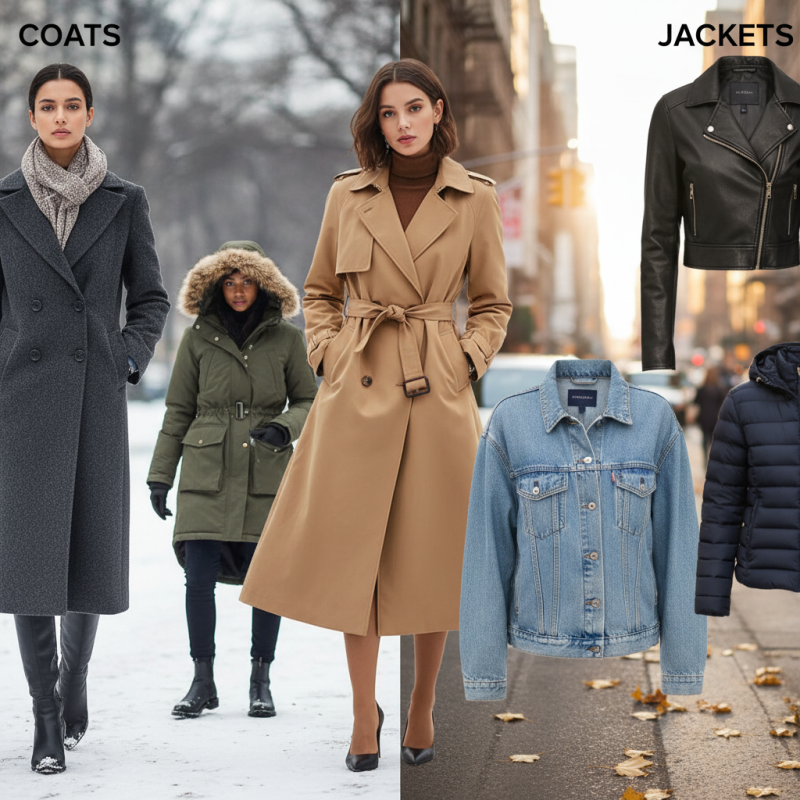
Differences in Length: Coats vs. Jackets
When it comes to outerwear, one key difference between coats and jackets is their length. Coats are typically longer, often reaching past the hips. They are designed for warmth and coverage. Jackets, on the other hand, are usually shorter, often ending at the waist or hips. This makes jackets more suitable for layering in milder weather.
For those who want style and functionality, choosing the right length is crucial. A longer coat can provide more protection against the cold, making it ideal for winter. Yet, it can limit mobility. A shorter jacket may allow for easier movement but might not keep you warm enough during chilly days. Consider your climate and activities when choosing.
Tips: Look for coats with adjustable features if you plan to wear them often. Styles with cinches at the waist can enhance shape without sacrificing warmth. When selecting jackets, choose versatile colors that blend well with different outfits. Avoid overly complex designs if you aren't ready for maintenance; some styles may require special care.
What is the difference between coat and jacket styles?
| Feature |
Coat |
Jacket |
| Length |
Typically longer, reaches below the hips |
Shorter, usually ending at the waist or hips |
| Purpose |
Primarily for warmth and protection against weather |
Designed for style, light insulation, and casual wear |
| Material |
Usually made from heavier fabrics like wool, trench fabrics, or down |
Often made from lighter materials like cotton, denim, or polyester |
| Style Variety |
Includes overcoats, trench coats, peacoats, and long coats |
Includes blazers, bombers, vests, and denim jackets |
| Occasion |
Formal and cold weather events, often worn over formal wear |
Casual settings, suitable for everyday wear or light activities |
Material Variations: Common Fabrics for Coats and Jackets
When considering coat and jacket styles, the material plays a crucial role. Coats often use heavier fabrics like wool and cashmere. These materials provide warmth and durability, making them ideal for colder seasons. Wool is breathable yet insulating, perfect for long wear. Cashmere, while luxurious, offers a softer touch but requires careful maintenance.
Jackets tend to be made from lighter materials. Common choices include cotton, denim, and synthetic blends. Cotton is versatile and comfortable, suitable for both casual and semi-formal settings. Denim adds a rugged edge, often preferred for its durability. Synthetic fabrics can be water-resistant, offering practical benefits. These materials allow for more flexibility in style and seasonal wear.
Understanding these differences helps in making informed choices. One may underestimate fabric care and usability. Lightweight jackets may not withstand harsh weather as well as heavier coats. Yet, each piece has its unique charm and functional advantages.
What is the difference between coat and jacket styles?
Functional Purposes: When to Choose a Coat or a Jacket
When selecting between a coat and a jacket, understanding their functional purposes is key. A coat typically offers more coverage and warmth. It’s ideal for cold weather, providing insulation against wind and rain. Coats often extend to the thighs or knees, creating a cozy barrier during winter months. For instance, a long wool coat can shield you from chilly gusts while adding elegance to your outfit.
On the other hand, jackets are generally lighter and more versatile. They work well for transitional seasons, like spring or fall. A stylish bomber jacket or denim jacket can easily complement casual wear. These options are great for layering, providing just enough warmth without being too bulky. However, while jackets often lack the same level of insulation as coats, they allow for greater freedom of movement.
Each choice depends on your needs. Consider the climate, the occasion, and your personal style. Reflecting on these factors can enhance your wardrobe. It’s about finding the balance between comfort and fashion. While a coat might seem like the obvious choice for freezing temperatures, you'll want a jacket handy for milder days. Finding the right fit can take time, but it’s worth exploring what works best for you.
Styling Tips: How to Wear Coats and Jackets Effectively
When choosing between coats and jackets, style plays an essential role in your overall look. Coats are typically longer, often reaching the knee or below. They provide warmth and are ideal for colder climates. Jackets, on the other hand, are shorter and offer versatility for various activities. The right choice can elevate your outfit.
Understanding how to wear these pieces effectively can make a significant difference. For instance, layering is key. According to a report by the Fashion Institute of Technology, 68% of consumers prefer outfits that combine multiple textures and layers. A well-chosen coat can enhance a simple outfit. Aim for neutral colors if you want versatility. Add vibrant scarves or hats for a pop of color.
Fit is crucial as well. An ill-fitting coat or jacket can ruin even the best ensemble. Measurements matter; learn what suits your body. Research indicates that 75% of consumers prioritize fit over brand. Consider tailoring options if ready-to-wear doesn’t meet your needs. Embrace your unique style. It's okay if your look evolves. Fashion is about experimenting and finding what feels right for you.
Historical Evolution: The Development of Coat and Jacket Styles
The evolution of coat and jacket styles reflects cultural shifts and practical needs. Early coats served as practical garments, primarily for warmth and protection from the elements. In the 17th century, they became symbols of social status, often made from luxurious materials. A report by the Fashion Institute of Technology notes that outerwear trends in history have signified changes in societal norms. For instance, during the Industrial Revolution, jackets became more prevalent as labor demands shifted towards functionality.
In the early 20th century, the rise of ready-to-wear clothing transformed how coats and jackets were perceived. Military influences brought structured designs to the forefront. This period saw the popularization of the trench coat, highlighting the blend of fashion with utility. Industry analysis from Research and Markets indicates that the global outerwear market is expected to reach $200 billion by 2026, showcasing the ongoing relevance of these garments. However, the persistent use of synthetic materials raises environmental concerns that require deeper reflection.
Jacket styles have also diversified, influenced by various subcultures. From biker jackets to tailored blazers, each design tells a story of its time. Despite a rich history, many styles lack longevity in practicality. Acknowledging this can lead to more sustainable choices in fashion. The journey of coats and jackets continues to evolve, driven by both aesthetic appeal and a need for responsible design.
FAQS
: Coats are longer, often past the hips. Jackets are shorter, typically ending at the waist or hips.
Choose a coat for more coverage and warmth during cold weather. It offers better insulation against elements.
Jackets can provide warmth, but they may not be enough in very cold temperatures. They allow better mobility.
Look for adjustable features and cinches at the waist. They can enhance shape while keeping you warm.
Choose versatile colors and simpler designs. Consider how often you'll wear it and maintenance needs.
Think about the climate, occasion, and your personal style. It helps you find a balance between comfort and fashion.
Conclusion
The article titled "What is the difference between coat and jacket styles?" explores the key distinctions between these two types of outerwear. It discusses differences in length, noting that coats generally extend longer than jackets, which often end at the waist or hips. Material variations are also highlighted, as coats and jackets are made from a range of fabrics that serve different purposes, with coats typically crafted for warmth and jackets for lighter layering.
Additionally, the article addresses the functional purposes of each garment, guiding readers on when to choose a coat or a jacket based on weather conditions and social settings. Styling tips are provided to help individuals wear these pieces effectively, enhancing their overall look. Finally, the historical evolution of coat and jacket styles is examined, tracing how they have developed over time in fashion. Overall, the article provides a comprehensive understanding of what is the difference between coat and jacket styles, catering to fashion enthusiasts and everyday consumers alike.

 ASALUXE Fashion