When it comes to outdoor adventures, understanding how waterproof jackets really work is essential for global buyers. These jackets promise protection from rain and moisture, but not all are created equal. The technology behind waterproofing can be complex and varied, leaving many consumers confused.
Waterproof jackets function through a combination of materials and design principles. Some use special membranes that block water while allowing breathability. Others rely on durable water repellent (DWR) coatings to shed moisture. Yet, not all jackets maintain their waterproof status over time. It’s crucial for buyers to know how to care for their gear to keep it effective.
Additionally, marketing gimmicks can sometimes mislead buyers into choosing inferior products. Understanding the differences in waterproof ratings and real-world performance is vital. Reflecting on your own needs can help you make informed decisions. By grasping how waterproof jackets really work, you gear up for success in any wet environment.
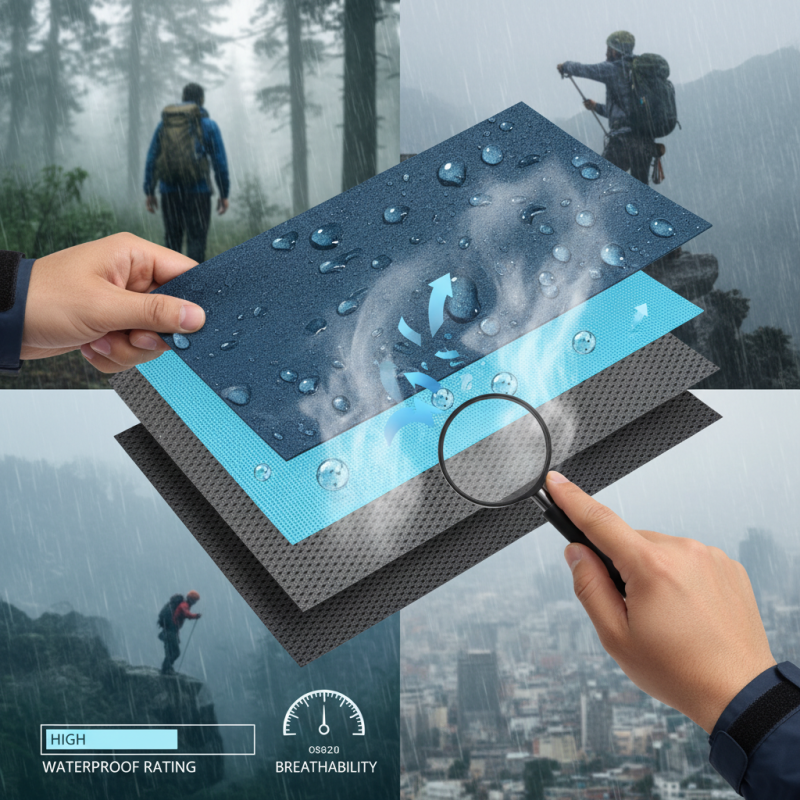
Waterproof jackets serve as crucial gear for various outdoor activities. Understanding the basics of their technology helps buyers make informed decisions. Most waterproof jackets utilize a combination of waterproof materials and breathable membranes. These features ensure that water stays out while allowing sweat to escape.
Tips: Look for jackets with a high waterproof rating. The higher the rating, the better the protection. Consider the fabric's breathability too. A balance between waterproofing and breathability keeps you comfortable.
Many jackets use technologies like Gore-Tex or similar fabrics, often marketed as durable. However, some users feel that these materials may not hold up over time. When shopping, examine customer reviews and product longevity. This insight can reveal potential issues.
Tips: Check seam taping. Taped seams enhance waterproofing. Be cautious of designs that compromise seam integrity. A good fit is essential as well. A jacket too large or small can lead to discomfort and reduced effectiveness.
Waterproof jackets are made using specific materials designed to keep the wearer dry. The key to their effectiveness lies in a blend of fabrics and technologies. Most waterproof jackets utilize a membrane that acts as a barrier against water. This membrane is often combined with outer layers for durability.
Common materials include Gore-Tex and eVent, known for their breathability and waterproof qualities. These materials can repel water while allowing moisture from sweat to escape. This balance is crucial for comfort during physical activities. Different jackets may feature varying levels of waterproof ratings, impacting their performance. Some jackets may not hold up in heavy rain.
In addition to the inner membranes, the outer shell plays a significant role. It needs to withstand wear and tear while providing protection. Some jackets might use nylon or polyester, which are lightweight yet durable. It's essential to consider seam sealing, as unsealed seams can lead to leaks. Choosing the right waterproof jacket involves understanding these materials and their limitations.
When looking for a waterproof jacket, understanding the ratings is crucial. Waterproof ratings typically measure the resistance of a fabric to water penetration. Many jackets boast impressive numbers, but numbers alone can be misleading. It's essential to consider the conditions in which you'll be using the jacket. For instance, lighter rain might warrant a lower-rated jacket, while heavy downpours require higher ratings.
Breathability is another important factor. A jacket that's too waterproof can lead to discomfort. If sweat cannot escape, you may feel clammy and irritated. In contrast, a highly breathable fabric can sometimes sacrifice waterproofing. This trade-off is often unnoticed by users until they're exposed to extreme weather. Being aware of your needs can help you select wisely.
Moreover, not all manufacturers are consistent in how they measure these ratings. Understanding the testing methods can reveal discrepancies. A jacket rated for high waterproofing might still let in moisture under pressure. If your jacket doesn't perform as expected, it’s worth investigating why. Buyers should consider these nuances before making a purchase.
When it comes to waterproof jackets, testing for performance and durability is crucial. Manufacturers employ various methods to assess how well their products stand up against water and wear. One common approach is the laboratory test known as the hydrostatic head test. This measures how much water pressure the fabric can withstand before leakage occurs.
Additionally, real-world testing is essential. Jackets are often put through rigorous outdoor conditions. This includes exposure to rain, wind, and temperature changes. Users report their experiences in these conditions. Sometimes, the findings from users differ from lab results. These discrepancies highlight the importance of practical testing alongside theoretical assessments.
Durability isn’t solely about waterproofing. It encompasses abrasion resistance, seam quality, and fabric breathability. Even the best materials can fail under extreme conditions or improper care. A jacket may perform well at first but show signs of wear over time. Users need to be aware of these factors and remain reflective about their choices.
| Feature | Description | Performance Standard | Durability Test Method |
|---|---|---|---|
| Waterproof Rating | Indicates the amount of water pressure the fabric can withstand. | Measured in mm (e.g., 5000 mm). | Hydrostatic Head Test. |
| Breathability | Ability of the fabric to allow moisture vapor to escape. | Measured in g/m²/24h (e.g., 10000 g/m²/24h). | MVTR Test (Moisture Vapor Transmission Rate). |
| Seam Sealing | Process of sealing the seams to prevent water entry. | Fully taped, partially taped. | Seam Testing under pressure. |
| Abrasion Resistance | Resistance of the fabric to wear and tear. | Measured using Taber Abraser test. | Martindale or Wyzenbeek tests. |
The global waterproof jacket market is evolving. Demand is rising in diverse climates. Consumers want reliable protection against rain and wind. As outdoor activities gain popularity, many seek durable solutions. From hiking in the Alps to daily urban commuting, comfort is key.
Innovation drives sales. New materials enhance breathability and waterproofing. Buyers are increasingly informed. They research fabric technology and customer reviews. Eco-friendly options gain traction. Shoppers are conscious of their environmental impact. Yet, some brands still fall short in transparency.
Market trends highlight a shift to online shopping. Many prefer the convenience of e-commerce. They can compare features without visiting multiple stores. However, sizing issues arise. Consumers often receive items that don’t fit. This can lead to dissatisfaction and returns. Brands must address these challenges to improve customer experience.
: Waterproof jackets commonly utilize membranes, nylon, and polyester. These materials ensure protection against water and wear.
Waterproof ratings measure water resistance. Higher ratings suit heavier rain, while lower ratings are for lighter conditions.
Yes, lack of breathability can cause discomfort. Sweat buildup makes users feel clammy, affecting overall enjoyment during activities.
Manufacturers use lab tests like the hydrostatic head test and conduct real-world trials in diverse weather conditions.
Seam sealing is crucial. Unsealed seams can lead to leaks, so inspect them carefully to ensure jacket performance.
No, results can vary. Users may find discrepancies between lab tests and their real-world experiences; it’s important to be critical.
Durability relates to fabric quality, seam integrity, and exposure to extreme conditions; even the best jackets can show wear over time.
Sometimes, yes. A highly breathable jacket may sacrifice some waterproofing, potentially impacting effectiveness in harsh weather.
Assess your specific needs, environmental conditions, and understand the materials and ratings to select wisely.
If a jacket fails, investigate material quality and care practices. Reflection on your choice is vital for future purchases.
The article "How Waterproof Jackets Really Work for Global Buyers?" delves into the technology behind waterproof jackets, providing an insightful exploration into their construction and functionality. It starts by outlining the fundamental principles that govern waterproof jacket technology, detailing key materials such as Gore-Tex and other high-performance fabrics that play a critical role in creating effective outerwear.
Moreover, the piece explains how waterproof ratings are measured, distinguishing between waterproofness and breathability, which are essential factors for consumer consideration. It also covers the rigorous testing procedures that these jackets undergo to ensure performance and durability. Finally, the article examines current global market trends, highlighting the growing demand for waterproof jackets and illustrating how waterproof jackets really work in meeting the needs of consumers in various climates.

ASALUXE Fashion