10 Tips to Determine if a Jacket is Good Quality?

Time:2026-05-22 Author:Sophia
0%

When shopping for a jacket, finding one of good quality is essential. You want it to last through seasons and trends. But how to tell if a jacket is good quality? It’s not always apparent at first glance. Understanding what to look for can save you time and money.

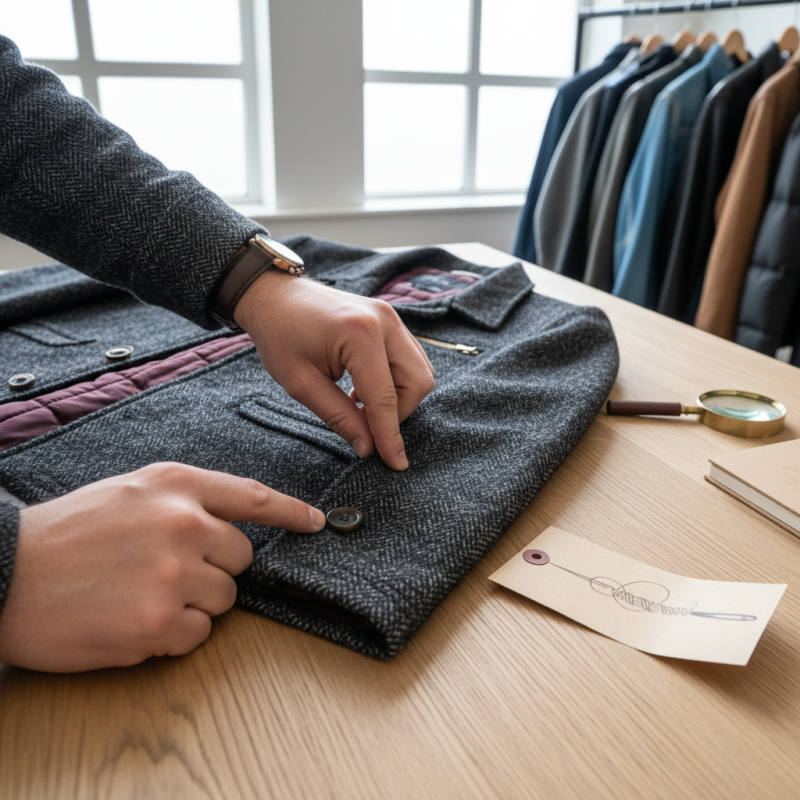
Quality jackets are made with attention to detail. Examine the stitching and seams; they should be neat and secure. The fabric can also reveal a lot. Natural fibers like wool and cotton are generally more durable than synthetic materials. Pay attention to the lining too; a well-constructed lining adds comfort and warmth.

Look for features that enhance functionality. Pockets should be secure and well-placed. Zippers and buttons must feel sturdy. Consider how the jacket fits you; a good jacket complements your body shape. It’s crucial to remember that price doesn’t always indicate quality. Sometimes, you find great options at budget-friendly prices.
10 Tips to Determine if a Jacket is Good Quality?

Evaluating Fabric Composition: Natural vs. Synthetic Materials

When evaluating a jacket's quality, fabric composition plays a crucial role. Natural materials like cotton, wool, and silk are often favored for their breathability and durability. These fabrics can provide comfort and long-lasting wear if properly maintained. However, they may require special care. Wool, for instance, needs dry cleaning to preserve its texture.

On the other hand, synthetic materials like polyester and nylon offer unique benefits. They are typically more water-resistant and can dry faster than natural fibers. This makes them suitable for various weather conditions. Yet, they sometimes lack the comfort level of their natural counterparts. Some synthetic fabrics can feel less breathable. This contributes to discomfort in certain environments.

It’s important to strike a balance. An all-natural fabric can be fantastic but might not withstand harsh conditions. In contrast, a synthetic option might offer durability but could feel itchy over time. Each material has its pros and cons. Understanding these factors helps make informed choices when selecting a jacket. Reflecting on your specific needs and lifestyle is key to ensuring you choose wisely.

10 Tips to Determine if a Jacket is Good Quality? - Evaluating Fabric Composition: Natural vs. Synthetic Materials

Fabric Type Durability Breathability Comfort Care Requirements Cost
Cotton High Moderate High Easy $$
Wool Very High Good Very High Moderate $$$
Polyester Moderate Low Moderate Easy $
Nylon High Low Moderate Easy $
Linen High High Comfortable Difficult $$$

Understanding Stitch Count: A Key Indicator of Durability

When assessing jacket quality, stitch count is a critical factor. Higher stitch counts typically indicate better durability. Expert analysis reveals that jackets with a stitch count exceeding 10 stitches per inch tend to last longer. This figure reflects strong craftsmanship, which is essential for ensuring that seams withstand wear over time.


Additionally, it is not only the number of stitches that matters, but also their uniformity. Inconsistent stitching may lead to weak points in the fabric. According to a fabric durability study by the Textile Research Journal, jackets with irregular stitching patterns are 50% more likely to show signs of wear than their uniformly stitched counterparts.


It's essential to evaluate not only the stitch count but also the quality of the thread used. Poor-quality thread can unravel even with high stitch counts. Inspecting these details might seem tedious, but doing so can save consumers from future disappointments. Always look for the craftsmanship that guarantees longevity and robustness. These considerations will guide you toward finding jackets that genuinely offer long-term value.

Assessing Fit and Design: The Importance of Tailoring for Longevity

When assessing the quality of a jacket, fit and design play crucial roles, significantly affecting longevity. A well-fitted jacket enhances the wearer’s silhouette and comfort. According to a recent report by the Apparel Quality Association, up to 40% of consumers prioritize fit over all other factors when selecting outerwear. Tailoring can transform a standard jacket into a custom piece, ensuring it complements the body shape perfectly.

Selecting the right jacket involves understanding specific details. Examine the seams and stitching; they should be tight and uniform. Loose threads or uneven hems indicate poor quality. Additionally, pay attention to fabric quality. Natural fibers like wool or cotton typically last longer than synthetic alternatives.

Tailoring, while sometimes overlooked, is essential. A tailored fit allows for better movement without compromising style. The difference is striking; unaltered jackets often lack that polished look. Investing in tailoring enhances durability and elevates overall appearance. A 2019 survey noted that 65% of consumers felt a tailored jacket offered noticeable benefits in both fit and style. Don't ignore the details that matter; they make all the difference.

10 Tips to Determine if a Jacket is Good Quality

Assessing various factors helps in determining the quality of a jacket. This chart illustrates the importance of different assessment criteria.

Identifying Quality Zippers and Fastenings: Resistance to Wear

When assessing the quality of a jacket, the zippers and fastenings play a crucial role. High-quality zippers should glide smoothly without snagging. Test them several times to ensure reliability. A sturdy zipper can withstand daily use, while flimsy ones often fail after a few wears. Look for YKK or Riri zippers, known for their durability.

Fastenings also matter significantly. Buttons should be securely attached, with no loose threads. Snaps and hooks should lock tightly. Weak fastenings can ruin the jacket’s look and function. Aim for reinforced stitching around these areas. This attention to detail reflects the jacket's overall craftsmanship.

Consider the material of the zippers and fastenings. Metal options tend to outlast plastic ones. However, high-quality plastic zippers can also be strong. Inspect the finishing; rough edges or imperfect design indicate low quality. Overall workmanship can highlight inconsistencies. Trust your gut when something feels off. Don’t hesitate to walk away if the fittings don’t meet your standards.

Researching Brand Reputation: Insights from Consumer Reviews and Ratings

When researching jacket quality, brand reputation plays a crucial role. Consumer reviews provide insights into the reliability of jackets. According to a 2022 survey from the Apparel Quality Institute, 67% of buyers consider brand reputation before purchasing. This highlights the value consumers place on established brands. Reviews reflect real experiences, shedding light on durability and material quality.

For instance, customers often comment on the stitching and fabric feel. A recent report by the Textile Research Journal revealed that 75% of respondents believe fabric quality impacts perceived value. Jackets made from high-quality materials often receive better ratings. Consumers also appreciate responsive customer service. Many reviews mention how an attentive brand can enhance their shopping experience.

Nevertheless, not all brands maintain consistency. Some receive praise for certain lines but criticism for others. It’s important to look for detailed reviews as these often provide deeper insights. A jacket may have a good reputation but may not always meet individual needs. Validating these perspectives assists in making well-informed decisions.

FAQS

: Why is fit important for a jacket?

: A good fit enhances comfort and silhouette, affecting overall appearance. Many consumers prioritize fit in their selections.

How can tailoring improve a jacket?

Tailoring enhances movement and style. It turns a standard jacket into a custom piece that complements body shape.

What should I check for when evaluating seams?

Seams must be tight and uniform. Loose threads or uneven hems are signs of poor quality.

Are natural fibers better than synthetic ones?

Yes, natural fibers like wool and cotton typically last longer than synthetic options, enhancing durability.

How do I test a jacket's zipper quality?

High-quality zippers glide smoothly. Test them several times to ensure they won’t snag or fail during use.

What should I look for in fastenings?

Buttons must be secure and snaps should lock tightly. Weak fastenings can compromise both function and aesthetic.

Can I rely on plastic zippers?

Yes, high-quality plastic zippers can be durable. However, metal options usually outlast plastic alternatives.

What indicates low-quality workmanship?

Rough edges or imperfect designs suggest poor quality. Always trust your gut if something feels off.

How does tailoring affect jacket longevity?

Investing in tailoring not only improves fit and style but can also enhance the garment's durability over time.

What details should not be overlooked?

Pay attention to seam quality, fastenings, and fabric types. These details can significantly impact the jacket's overall quality.

Conclusion

When determining how to tell if a jacket is good quality, it's essential to evaluate several key factors. Begin by examining the fabric composition; natural materials typically offer better durability and comfort compared to synthetic options. Additionally, understanding the stitch count can serve as a crucial indicator of a jacket's longevity, with higher counts often representing stronger construction.

Fit and design also play significant roles, as well-tailored jackets not only enhance appearance but also contribute to longer wear. Furthermore, identifying high-quality zippers and fastenings is vital, as these components resist wear and tear more effectively. Finally, researching brand reputation through consumer reviews and ratings can provide valuable insights into the overall quality of the jacket. By considering these aspects, you can confidently assess the quality of any jacket you encounter.

Sophia

Sophia

Sophia is a dedicated marketing professional with an exceptional depth of knowledge about her company's products and services. With a keen understanding of market trends and customer needs, she crafts insightful blog posts that not only inform but also engage readers, enriching the company’s online......