Winter dresses need more than a heavier look. The right fabric can hold warmth, drape comfortably, and suit the way you move through a cold day. But wool, velvet, fleece, and brushed cotton each behave differently. Some feel soft against the skin; others add structure or need careful layering. So, what fabric is best for winter dresses? The answer depends on your climate, the occasion, and how much care you can give a garment.
This guide introduces 10 fabrics worth considering in 2026, from insulating wool blends to smooth velvet and practical knit materials. Each option has trade-offs. A thick fabric may feel cozy indoors but become uncomfortable on a crowded commute. A delicate surface can look elegant, yet show wear at the elbows or cuffs. Small details matter: check the dress’s lining, seams, weight, and care label before buying. When possible, touch a swatch or try the garment over the layers you usually wear. That helps more than a product photo. Not always, of course. Fabric names alone cannot tell you how a dress will feel after hours of wear, and blends vary between makers. The comparisons ahead focus on warmth, comfort, drape, durability, and maintenance, so you can choose with clearer expectations—not just follow a seasonal trend.
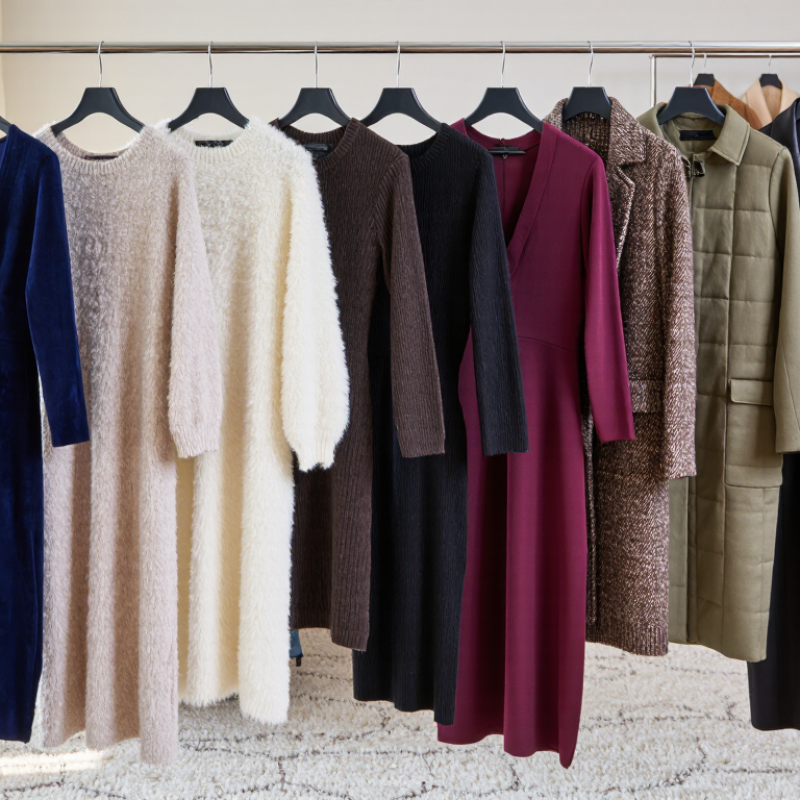
Winter-dress fabrics should be judged by more than fiber names. Warmth depends on how well a cloth traps still air, while comfort also reflects breathability, weight, and softness against skin. Textile Exchange’s Materials Market Report 2024 estimates that global fiber production reached 124 million tonnes in 2023, with polyester accounting for 57 percent. That scale makes fiber content worth checking, but it cannot tell you how a particular dress will feel.
For a more technical comparison, ISO 11092 measures thermal and water-vapor resistance using a sweating guarded hotplate. These results help compare fabric performance, though they do not predict every wearer’s comfort. The International Wool Textile Organisation notes that wool can absorb moisture vapor—up to 35 percent of its weight—without feeling wet. That matters. Still, a dense lining or close fit can make even breathable cloth feel stuffy indoors.
In practice, inspect the fabric’s weight, weave, lining, and drape together. A brushed surface may feel inviting, yet it can catch lint; a smooth, tightly woven fabric may block drafts but feel less flexible. Try sitting and walking in the dress, not just touching a swatch. I would not treat a lab score as a verdict: cold commutes, warm rooms, and personal sensitivity change the experience. And fabric descriptions can be imperfect. Check the actual garment.
For winter dresses in 2026, fabric choice should balance warmth, movement, and care.
Wool and merino wool trap warmth while staying breathable during indoor-to-outdoor days. Cashmere feels exceptionally soft, but it can pill and needs gentle handling. Tweed adds structure and texture; flannel gives a softer, brushed finish. Both work well over tights, though heavier versions may feel stiff when seated. Lovely, but delicate.
Velvet catches low winter light and suits evening dresses, but can show pressure marks. Corduroy is hard-wearing, with ridges that add warmth and a casual look. Ponte knit and double-knit fabric stretch comfortably and hold a neat shape. They are practical for long days, although some blends feel less breathable. Jacquard brings woven pattern and body without requiring extra decoration. Look at fabric weight and lining, not just the fiber label.
A dense weave, smooth seams, and enough room for a base layer make a real difference. For sensitive skin, test the fabric at the neck or wrist before buying. Care labels matter: frequent washing can shrink wool or flatten velvet’s pile. I would not call any fabric perfect; warmth, comfort, and maintenance rarely line up neatly.
How Natural Fibers Compare With Synthetic and Blended Fabrics
Natural fibers offer comfort, but their performance depends on construction and care. Wool traps insulating air and can manage moisture, making it useful for chilly commutes. Cotton feels soft, yet a damp cotton dress may feel cold outdoors. Textile Exchange’s Materials Market Report 2024 estimates global fiber production reached 124 million tonnes in 2023, with polyester making up 57%. That figure describes production, not warmth or quality. A high market share is not a performance rating.
Synthetic fabrics such as polyester often dry quickly and resist creasing. They can also feel clammy during indoor-to-outdoor temperature changes. Nylon adds strength, while acrylic can imitate wool’s fuzzy hand, though pilling may appear with wear. Blends can balance these trade-offs: wool-polyester may improve durability, while cotton-stretch fabric can make fitted dresses easier to move in. But results vary with fiber percentages, fabric weight, weave, lining, and finishing. I would not choose by fiber name alone.
Tips: Check the fabric weight and lining before buying. Rub a hidden seam gently to spot loose fibers or likely pilling. For a long outdoor day, try the dress with the coat and base layer you actually wear. Small detail, big difference. If possible, test comfort indoors first; warmth claims rarely reflect every wearer’s activity or climate.
A fitted winter dress needs warmth without bulky seams. Medium-weight wool crepe holds a clean shape for office days, while ponte knit stretches comfortably through long commutes. Check the fabric’s recovery: pull it gently and see whether it returns smoothly. A dress that bags at the knees can look tired by lunchtime. Small detail, big difference.
For relaxed daytime styles, brushed cotton, corduroy, or a wool blend works well with boots and opaque tights. Corduroy feels sturdy, but its ridges may add visual weight, so finer wale suits a softer silhouette. For evening events, velvet brings depth under low lights; choose a lining that slides easily over sleeves. Satin can feel chilly against skin. Wear a warm layer underneath.
Occasion matters as much as appearance. A tweed or heavier wool dress suits outdoor gatherings, especially when wind is likely, while a lightweight knit is easier for heated indoor spaces. I once chose fabric by touch alone and underestimated how stiff it would feel after sitting. That happens. Check the care label and consider how often you will wear the dress. A delicate fabric may be lovely, but inconvenient during a busy week.
Winter dresses often combine wool, cashmere, velvet, or synthetic blends, and each reacts differently to water and heat. Check the care label before washing; fiber content matters more than appearance. For wool knits, use cool water and a wool-safe detergent, then press out water gently with a towel. Never wring. Dry flat on a clean rack, reshaping seams and hems while damp. Velvet and structured dresses may need professional cleaning when their labels recommend it. Steam from a distance; a hot iron can flatten the pile or leave a shine.
Washing less can help when a dress is neither stained nor sweaty. Air it overnight on a padded hanger, away from radiators and direct sunlight. Small habits matter. Brush off lint with a soft clothes brush, and empty pockets before hanging; their weight can pull at shoulder seams. Store clean dresses in breathable garment bags rather than sealed plastic, and avoid crowding them in a closet.
WRAP’s 2012 Valuing Our Clothes report estimated that extending active clothing life by nine months could reduce carbon, water, and waste footprints by 20–30%. Still, care labels can be vague, and hand-washing is not automatically gentler if a wet knit stretches. Test an inconspicuous area when unsure, and follow the garment’s specific instructions.
Warmth depends on how well the fabric traps still air. Weave, weight, lining, and fit all matter.
Wool can trap warmth and absorb moisture vapor without feeling wet. A dense lining may still feel stuffy indoors.
Not always. Some dry quickly and resist creasing, but may feel clammy during temperature changes.
Flannel feels brushed and soft, while corduroy has warm ridges and a hard-wearing surface. Try sitting in heavier fabrics; they can feel stiff.
Velvet can catch winter light beautifully, but pressure marks may show. Handle it gently.
Yes. Some blends balance durability, stretch, and comfort, but results depend on fiber percentages and construction.
Check its weight, lining, seams, and room for a base layer. Walk and sit in it, not just a fabric swatch.
Test the fabric against your wrist or neck. A label cannot tell you everything, and I might still miss a small irritation.
Yes. Frequent washing can shrink wool or flatten velvet’s pile. Read the care label first.
This guide explores what fabric is best for winter dresses by comparing warmth, comfort, breathability, durability, and appearance. It introduces ten suitable fabric options for 2026, from insulating natural fibers to practical synthetic materials and blended textiles, explaining how each can feel and perform in cold weather. Rather than treating one material as right for every wardrobe, the guide considers how fiber properties affect softness, drape, weight, and ease of care.
Readers will also find guidance on matching fabrics to different winter dress styles and occasions, whether they need a polished look, a relaxed everyday option, or extra warmth. The final section covers simple care practices, such as following garment instructions, choosing gentle cleaning methods, and storing dresses thoughtfully, to help preserve their shape and extend their useful life.

ASALUXE Fashion