Choosing a travel jacket is less about owning the most technical gear and more about matching it to the trip. A damp morning in Shanghai calls for different protection than a windy walk along the Great Wall. For this guide to China’s top 10 travel jackets, we look at practical details: weight, packability, pocket placement, ventilation, and weather resistance. We also consider whether a jacket feels comfortable over a sweater and whether it dries overnight. Small things matter. A zipper that catches or a hood that blocks your view can become annoying after hours on a train.
Travel writer Rick Steves’ advice, “Pack light,” offers a useful principle for choosing outerwear. A jacket should earn its space in your bag. The options here include lightweight shells, insulated layers, and versatile designs suited to different climates and travel styles. For readers asking “what jackets are good for travel,” the answer depends on destination, season, and personal comfort. No single jacket works everywhere. A water-resistant finish is not the same as full waterproof protection, and a compact design may sacrifice warmth. Check the product specifications, try the fit with your usual layers, and consider how you will carry it. This list aims to make comparisons clearer, not to promise a perfect choice. I’d still rethink any pick that feels bulky before the trip even begins.
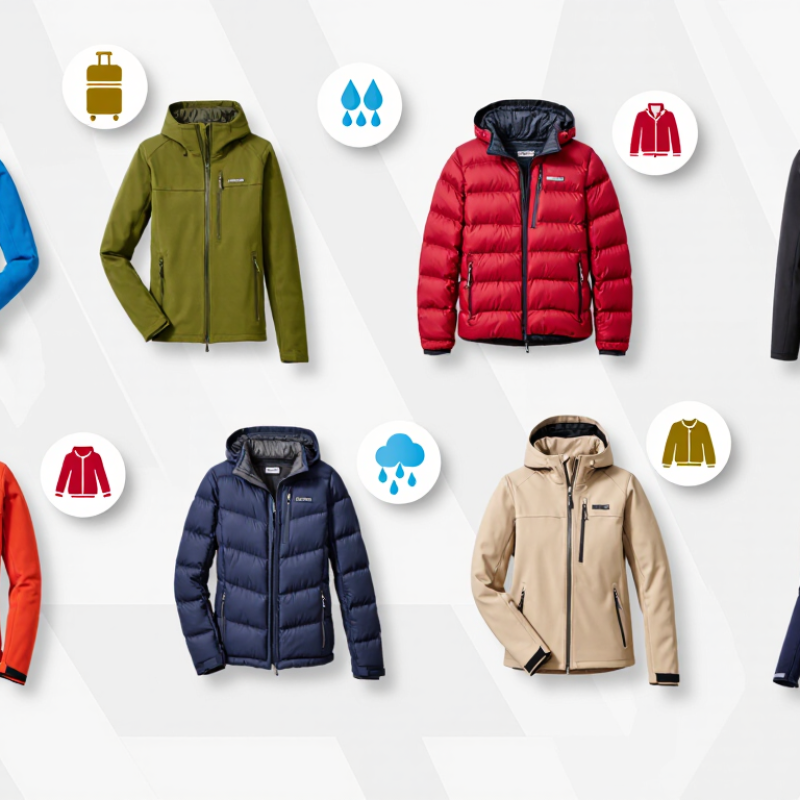
China Top 10 Jackets That Are Good for Travel
China’s climates vary widely, so one jacket rarely works everywhere. A light, packable shell suits rainy city walks, while a removable warm layer helps with cool evenings or mountain stops. Look for breathable fabric, a hood that stays put, secure pockets, and cuffs that adjust easily. Small details matter.
The China Meteorological Administration’s China Climate Bulletin 2023 reported a national average temperature of 10.7°C, 0.8°C above the long-term norm and the highest since records began in 1961. This national figure is not a forecast for every destination; travelers should check local conditions before departure. In practical terms, adjustable layers are often more useful than one thick coat. A jacket that dries overnight can also be helpful after a sudden shower. Still, water resistance can add weight, and lightweight fabrics may feel less protective in strong wind. There is no perfect choice.
Tips: Wear the jacket on travel days to save luggage space. Keep a thin layer handy for chilly trains or air-conditioned rooms. Check the forecast before packing.
When comparing travel jackets, start with the trip’s weather, not a product’s feature list. A spring walk in Shanghai may bring drizzle, while a high-speed train cabin can feel warm. Look for a shell that sheds light rain and a hood that adjusts without blocking side vision. Check seam construction and zipper coverage; water resistance varies, and labels rarely describe every condition. Small details matter.
Weight and packability count when a jacket must fit beside a water bottle in a daypack. Try folding it yourself, since “packable” can mean different things. Breathability deserves equal attention: a jacket that traps heat may feel clammy on a long walk. Underarm vents or a two-way front zip can help release warmth. Choose insulation for the expected temperatures, rather than assuming thicker is better. Fit is easy to overlook. Reach forward and lift your arms; tight shoulders become annoying fast. It is tempting to compare feature lists alone, but comfort often comes down to how the jacket moves on your body. No single feature tells the whole story.
Key Feature Used to Compare Travel Jackets: Waterproofness
Hydrostatic head measures the water pressure a fabric can withstand before leaking. These are reference rating levels, not test results for specific jackets; compare products using their stated ratings and testing methods.
Travel weather can change between a station, a mountain trail, and a coastal street. A lightweight shell blocks wind on breezy days, while a waterproof rain jacket handles steady showers. For cold, dry conditions, a down jacket packs warmth into little space; a synthetic insulated jacket is a sensible choice when damp weather is likely. A fleece works well as a breathable mid-layer. Small details matter.
For active days, a softshell allows easier movement on cool hikes, and a packable windbreaker slips into a day bag for sudden gusts. A sun-protective jacket helps during long outdoor walks, especially when shade is scarce. In cities with mild rain, a trench coat offers coverage without looking overly technical. A 3-in-1 jacket combines an outer shell and removable liner for changing temperatures. It sounds ideal, but it may feel bulky in a crowded bag.
Choose by forecast, activity, and luggage space, not appearance alone. Check that sleeves cover your wrists when reaching for a train handle, and test pockets with your phone inside. A jacket that works in every condition is unlikely; layering usually gives more control. I would still leave room for error: forecasts shift, and a warm layer can be uncomfortable on a humid afternoon.
| Jacket Type | Best Travel Conditions | Typical Features | Advantages for Travel | Things to Consider |
|---|---|---|---|---|
| Lightweight Down Jacket | Cool, dry weather; city walks and shoulder-season trips | Down insulation, compressible construction, often designed to fit under a shell | Warm for its weight and easy to pack when not in use | Down loses much of its insulating ability when wet; use a rain shell in wet weather |
| Synthetic-Insulated Jacket | Cool or damp conditions, including changeable coastal weather | Man-made insulation, usually with a woven outer fabric | Insulation generally retains more warmth than down when damp and is often easy to care for | Can be bulkier than a comparable down jacket and still needs protection in heavy rain |
| Waterproof Hardshell Jacket | Rain, wind, and exposed mountain or coastal routes | Waterproof fabric, sealed seams, front closure, and an adjustable hood | Provides an outer barrier against rain and wind; can be layered over other clothing | Usually provides little warmth on its own; ventilation and layering help manage moisture and temperature |
| Lightweight Rain Jacket | Warm, rainy days and trips where low pack weight matters | Packable rain-resistant or waterproof shell, often with a hood | Easy to carry and useful as a protective outer layer in showers | Check whether seams are sealed and whether the fabric is suited to prolonged heavy rain |
| Windbreaker | Breezy days, mild temperatures, and active sightseeing | Lightweight woven fabric that blocks wind; some versions have water-repellent finishes | Compact and comfortable when a warm coat would be too much | Not a substitute for a waterproof jacket in sustained rain or for an insulated jacket in cold weather |
| Fleece Jacket | Cool, dry days; indoor-to-outdoor trips; and layering in colder regions | Soft synthetic pile fabric with varying thicknesses | Breathable, quick-drying, and useful as a mid-layer beneath a shell | Offers limited protection from wind and rain unless worn under a suitable outer layer |
| Softshell Jacket | Active travel in cool, breezy, or lightly drizzly conditions | Stretch-woven fabric designed to balance wind resistance and breathability | Allows comfortable movement for walking and hiking; generally more breathable than many waterproof shells | Most softshells are not fully waterproof, so carry a rain shell when showers are likely |
| 3-in-1 Layered Jacket | Trips with variable temperatures and frequent changes between indoor and outdoor settings | Outer shell paired with a removable insulating inner jacket; layers can be worn separately or together | Offers several wearing configurations for changing conditions | Can be heavier and bulkier to pack than choosing separate lightweight layers |
| Trench-Style Raincoat | City travel in mild, wet weather | Longer cut, front closure, and often a belt; water resistance varies by fabric and construction | Provides more coverage than a short jacket and suits urban outfits | Not all trench coats are fully waterproof; check the fabric and seam construction before relying on one in heavy rain |
| Heavy Insulated Parka | Very cold winter destinations, including northern or high-altitude areas | Thicker insulation, longer coverage, and commonly a hood with protective details | Designed to provide substantial warmth during long periods outdoors | Bulky and warm for mild climates or indoor-heavy itineraries; choose insulation and length for the expected conditions |
Travel tip: Conditions vary widely across China by season, altitude, and region. Check the forecast for each destination and use layers so you can adjust to changing temperatures and precipitation.
Travel jackets solve different problems. A packable down jacket gives strong warmth for its weight, but loses insulation when wet. Synthetic fill handles damp conditions better, though it can feel bulkier. A waterproof shell blocks rain and wind, but needs a warm layer underneath in cold weather. Softshells and fleeces breathe well on active days, while trench coats and raincoats suit city walks. Windbreakers, denim jackets, and convertible designs offer lighter coverage, but less protection in prolonged rain or deep cold. There is no universal winner.
The Outdoor Industry Association’s 2024 Outdoor Participation Trends Report estimates that 175.8 million Americans took part in outdoor recreation in 2023. That scale highlights why comfort and adaptable layering matter on trips that mix city streets with trails. IATA reported global passenger demand grew 10.4% in 2024 compared with 2023, making compact packing a practical concern for many travelers. Still, a jacket’s stated water resistance does not guarantee comfort during hours of steady rain; fit, ventilation, and seam construction also matter. I still pack too many layers sometimes.
Choose a travel jacket around your itinerary, not just its appearance. Check typical temperatures, rainfall, and wind for each stop, then consider how much time you will spend outdoors. A cool morning at a train station calls for different coverage than a humid afternoon of walking. For changeable weather, a light shell over a thin insulating layer is often more adaptable than one heavy coat. Test the jacket with your usual day bag; shoulder straps can make bulky seams uncomfortable. Small detail, big difference.
Think about movement and storage, too. A relaxed cut helps when you reach overhead luggage or pedal across town, while secure pockets keep a passport and transit card close. For long walks, a breathable lining and adjustable cuffs can reduce clamminess and drafts. If your trip includes formal dinners, a simple, neat shape may work across more settings. Still, “versatile” can mean compromising on warmth or style. I have found that a jacket perfect for a city break may feel wrong on a windy coastal path.
Tips: Wear the layers you plan to pack when trying it on. Zip it up, sit down, and lift your arms. Check whether the hood stays put in light wind. A little awkwardness in the shop is useful evidence.
China has varied climates. A light shell suits rainy city walks, while a removable warm layer helps on cool evenings. There is no perfect choice.
Look for water resistance, a hood that stays put, and covered zippers. Check the seams too. Protection can vary.
No. The 2023 national average was 10.7°C, but that is not a forecast for each destination. Check local weather before leaving.
Adjustable layers often work better than one thick coat. Keep a thin layer handy for chilly trains or air-conditioned rooms.
Fold it yourself and see whether it fits beside a water bottle in your daypack. “Packable” can mean different things.
Reach forward and lift your arms. Tight shoulders can become annoying quickly. Fit matters.
A jacket that traps heat may feel clammy. Underarm vents or a two-way front zip can help release warmth.
Not necessarily. Water resistance may add weight, while lightweight fabric can feel less protective in strong wind. I might still pack the wrong balance.
This guide explores what jackets are good for travel in China, where changing weather, varied terrain, and busy itineraries can call for different kinds of protection. It explains what makes a travel jacket practical, including comfort, packability, weather resistance, breathability, useful pockets, and ease of movement. These features provide a clear basis for comparing options without assuming that one jacket suits every trip.
The guide also introduces ten jacket types for different travel conditions and describes how their uses and performance vary, from lightweight layers for mild days to warmer or more protective choices for colder, wet, or windy weather. To choose well, travelers can consider their destination, season, planned activities, luggage space, and personal comfort needs. The result is a practical way to match a jacket to an itinerary and stay prepared without packing more than necessary.

ASALUXE Fashion