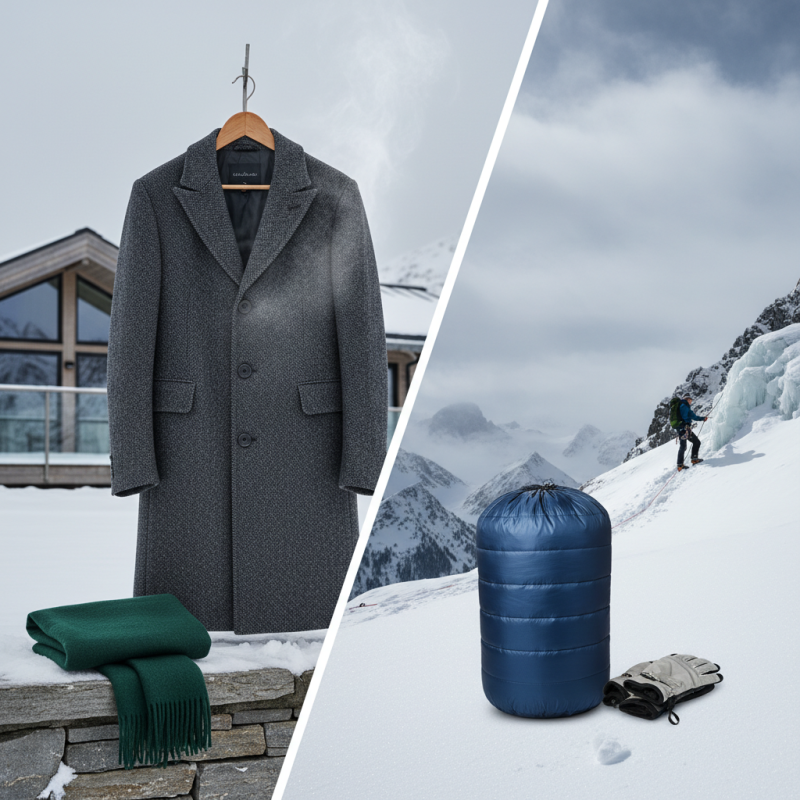
As winter approaches, the debate intensifies: are wool coats better than down jackets? Both options have their merits, but several factors influence this decision. Wool coats offer classic style and warmth, while down jackets are often favored for their lightweight comfort and packability.
Many people turn to wool for its natural properties. It is breathable, moisture-wicking, and can regulate body temperature. However, individual preferences play a significant role. Some may find wool less comfortable in wet conditions, raising questions about its practicality.
On the other hand, down jackets provide impressive insulation and are excellent for extreme cold. They can be compressed easily, making them travel-friendly. Yet, concerns arise regarding their sustainability and ethical sourcing. These considerations prompt further reflection. Ultimately, the answer varies by personal lifestyle and values.
Comparative Analysis of Wool Coats and Down Jackets for Warmth
When it comes to warmth, wool coats and down jackets offer distinct advantages. Wool is a natural insulator. It traps heat effectively, even when wet. This attribute makes it a reliable choice in damp conditions. On the other hand, down jackets provide exceptional warmth with their lightweight fill. They compress easily, making them convenient for travel. However, down insulation loses its effectiveness when exposed to moisture. Wool remains resilient under such conditions.
Tips: Choosing the right fabric depends on your environment. If you live in a rainy area, wool might be superior. In dry, cold climates, down jackets could serve you well. Consider layering as another solution. Pairing a wool coat with a down vest can optimize warmth and versatility.
Consider your personal style, too. Wool coats exude a classic elegance that some find appealing. Meanwhile, down jackets favor a more casual look. Think about your daily activities. Are you commuting, or spending time outdoors? This question can influence your decision. Both options have their pros and cons, so weigh them carefully.
Are Wool Coats Better Than Down Jackets for 2026? - Comparative Analysis of Wool Coats and Down Jackets for Warmth
| Criteria |
Wool Coats |
Down Jackets |
| Insulation Value (TOG) |
4.0 - 6.0 |
5.0 - 7.0 |
| Breathability |
High |
Moderate |
| Weight |
Medium |
Lightweight |
| Weather Resistance |
Resistant (with treatment) |
Water Resistant |
| Durability |
High |
Moderate |
| Suitability for Urban Use |
High |
Moderate |
| Price Range (USD) |
150 - 600 |
100 - 500 |
Sustainability and Eco-Friendliness of Wool vs. Down Materials
Wool and down jackets serve as popular winter options, but their sustainability raises questions. Wool is derived from sheep, a renewable resource, while down comes from ducks or geese, often involving ethical dilemmas. The production of down can be disruptive to animal welfare. In contrast, wool is generally more sustainable if sourced responsibly.
Wool has natural insulating properties. It can regulate temperature and wick moisture, making it a functional choice for cold weather. Its biodegradability is a significant advantage, breaking down naturally in the environment. However, the fashion industry often exploits sheep, affecting the overall sustainability narrative. This needs consideration when choosing wool.
Down jackets are lightweight and often compressible, appealing for outdoor enthusiasts. However, sourcing practices can be problematic. Consumers must be conscious of where the down comes from and how it’s processed. Both materials have pros and cons. Exploring ethical choices aligned with personal values is essential for a sustainable wardrobe.
Weight and Packability: Wool Coats versus Down Jackets for Travelers
When it comes to travel essentials, the choice between wool coats and down jackets raises important questions. Wool coats are often heavier and less packable than down jackets. However, they offer unique advantages for travelers. Wool is naturally breathable and retains warmth even when wet. This makes wool an appealing option for unpredictable weather. It can also resist odors, which is a plus during long trips.
On the other hand, down jackets are renowned for their lightweight and compressible nature. Travelers appreciate how easily they can pack down into small spaces. This is crucial for those who want to maximize their luggage efficiency. But down is less effective in wet conditions, as it loses insulation properties when wet. So, a rainy climate can pose challenges for travelers wearing down jackets.
Travelers should consider their specific needs. A wool coat may feel less convenient to carry, yet provides durability and weather resistance. Meanwhile, the down jacket shines in portability and weight savings. Both options have distinct advantages and drawbacks. Reflecting on your travel habits, make a choice that aligns with your destination and activities. Finding balance between comfort, functionality, and packability can greatly enhance your travel experience.
Price Performance: Cost-Effectiveness of Wool Versus Down Outerwear
When considering wool coats versus down jackets, cost-effectiveness plays a crucial role. A recent study in the Journal of Textile Research revealed that wool coats tend to last longer than their down counterparts. Wool's natural durability gives it an edge, potentially reducing the frequency of replacements. Over time, this could lead to savings, making wool more appealing despite its higher initial price.
According to a report from the Outdoor Industry Association, wool is gaining popularity due to its insulation properties. It provides warmth even when wet, unlike down. This feature is vital for consumers who engage in outdoor activities. While down jackets may offer warmth, they often require careful washing and maintenance. The hassle of protecting down from moisture could lead to additional costs in the long run.
Wool also offers breathability, allowing air circulation. This is particularly important in fluctuating temperatures. A study by the American Wool Council noted consumers appreciate the comfort factor of wool. The initial investment in a wool coat can seem steep, yet its longevity and multi-season use may justify the cost. A reliable outerwear option should balance price and performance.
Consumer Preferences and Market Trends in Winter Outerwear 2026
As winter approaches in 2026, trends in outerwear are shaping consumer preferences. Wool coats have a timeless appeal, often seen as sophisticated and durable. They offer excellent insulation and breathability. Yet, many buyers question their practicality for harsh conditions.
Down jackets, recognized for their lightweight warmth, have gained popularity. Their compressibility makes them perfect for travel.
Shoppers consider various factors when choosing. Style matters, but warmth and comfort are paramount. Some prefer the classic look of wool, while others enjoy the modern design of down jackets. Consumers often feel torn between aesthetics and function.
There’s a growing desire for sustainable options too. Many are curious about eco-friendly materials and ethical sourcing practices.
In 2026, the market will likely reflect these changing preferences. With increasing awareness of climate issues, many consumers may seek longevity over seasonal trends. This shift could redefine how we perceive winter outerwear. Understanding these dynamics will be crucial for brands aiming to meet evolving demands.
FAQS
: Wool coats are natural insulators. They trap heat well, even when wet. This makes them ideal for damp weather.
Down jackets offer lightweight warmth. They compress easily for travel but lose insulation when wet. Wool remains effective in moisture.
Consider your environment. In rainy areas, wool may be better. For dry, cold climates, down jackets could work well.
Wool coats typically last longer than down jackets. This durability can reduce replacement frequency, offering potential long-term savings.
Wool provides warmth even when wet. This is crucial for outdoor enthusiasts who face varying weather conditions.
Some people love the classic elegance of wool. Others prefer the casual look of down jackets. It’s a personal decision.
Consumers increasingly seek timeless, durable options. Sustainable materials and ethical sourcing are rising priorities among shoppers.
Yes, layering a wool coat with a down vest can enhance warmth and versatility, helping adapt to changing temperatures.
Down jackets need careful washing. They also require protection from moisture, which can lead to extra costs and maintenance issues.
Comfort is vital. Consumers desire both style and warmth. Balancing these factors can be challenging but is necessary for satisfaction.
Conclusion
The article "Are Wool Coats Better Than Down Jackets for 2026?" provides a comprehensive analysis of the advantages and disadvantages of wool coats compared to down jackets. It evaluates warmth retention, highlighting that wool offers superior insulation in wet conditions, while down excels in lightweight warmth. The sustainability aspect reveals that wool is often more eco-friendly, as it is a renewable resource, whereas down sourcing raises ethical concerns.
Additionally, for travelers, the weight and packability of down jackets make them more practical, but wool coats provide a timeless elegance. Cost-effectiveness is discussed, noting that while wool coats may have a higher upfront cost, their durability can lead to better long-term value. Lastly, the article examines consumer preferences and market trends for winter outerwear in 2026, suggesting a growing inclination towards sustainable options. Ultimately, the exploration raises the question: are wool coats better than down jackets for modern consumers?

 ASALUXE Fashion