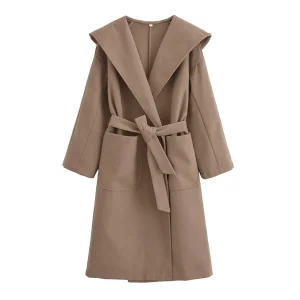
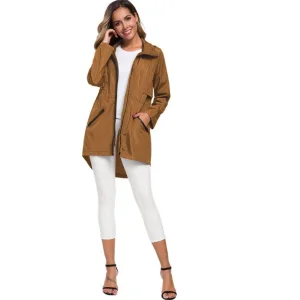
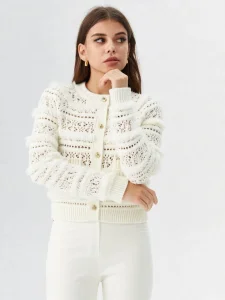
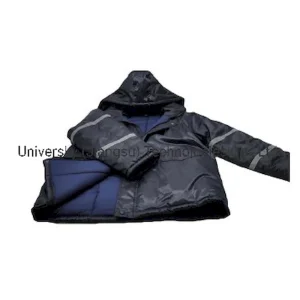
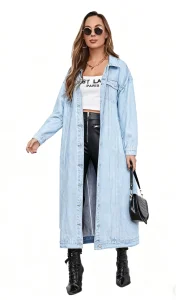
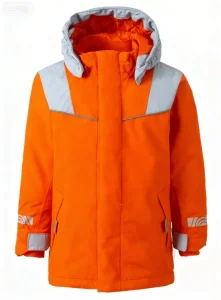
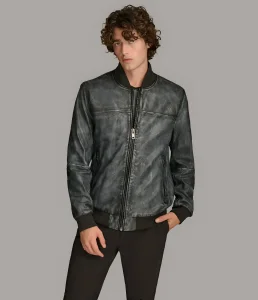
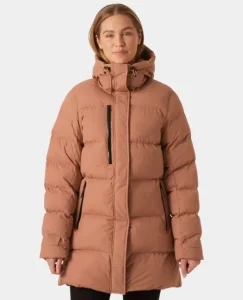
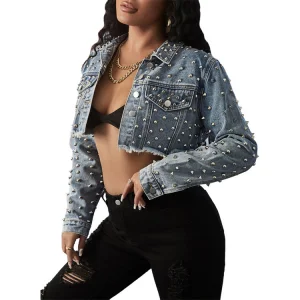
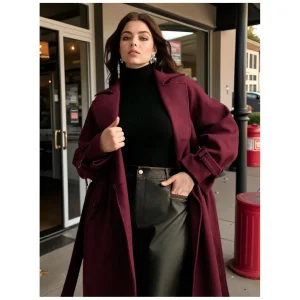
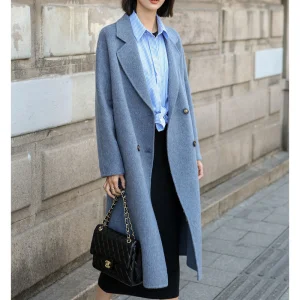
Explore our flexible manufacturing lines capable of rapid customization across technical apparel, outerwear, and specialized soft-goods engineered for world-leading brands.
As global supply chains navigate dynamic geopolitical shifts, technological advancements, and rising environmental consciousness, China remains the undisputed global hub for backpack manufacturing and exporting. Accounting for over 60% of the world’s luggage and backpack production, Chinese manufacturing hubs—particularly within Guangzhou, Quanzhou, and the Pearl River Delta—have transformed from basic low-cost assembly lines into highly sophisticated, technology-driven OEM/ODM ecosystems.
Modern procurement mandates extend beyond basic unit cost considerations. International brands, hyper-scale retail chains, and specialized outdoor outfitters demand high-level E-E-A-T (Experience, Expertise, Authoritativeness, and Trustworthiness) compliance, verified carbon-neutral practices, rapid prototyping turnarounds, and zero-defect quality control systems like AQL 2.5 standards. This whitepaper analyzes the macro landscape of China's backpack industry, providing global sourcing directors with actionable intelligence.
Guangzhou ASALUXE Fashion Co., Ltd., founded in 2005, represents the pinnacle of modern Chinese soft-goods and apparel engineering with nearly 20 years of continuous industry experience. Serving globally renowned chain retail and luxury lifestyle brands, ASALUXE combines European & American creative design sensibilities with scale industrial manufacturing.
Our elite international design team works alongside over 50 dedicated sample-room technicians to produce over 1,000 original monthly styles spanning technical backpacks, structured outerwear, and hybrid lifestyle products.
Houses 10 automated assembly lines staffed by 300 highly trained technicians. Delivering an annual output capacity exceeding 4,000,000 pieces with extreme precision stitching and bond-seam strength.
Fully audited under SMETA (Sedex Members Ethical Trade Audit) and HIGG Index certifications. Committed to sustainable materials including BCI (Better Cotton Initiative) and GRS-Certified RECYCLED POLYESTER.
Selecting the optimal backpack OEM/ODM partner in China requires deep technical evaluation of textile specifications, hardware durability, ergonomic load-bearing engineering, and weatherproofing capabilities. Modern backpack manufacturing bridges textile science with heavy-duty construction techniques.
The core structural integrity of a technical backpack relies heavily on denier rating, weave density, and synthetic coating layers. Key fabric selections include:
| Testing Parameter | Industry Standard Method | Acceptance Threshold / Target Specification |
|---|---|---|
| Seam Tensile Strength | ISO 13935-2 | > 450 N stress tolerance on stress-bearing shoulder strap anchor points |
| Zipper Cycle Durability | ASTM D2054 / BS 3084 | 10,000+ continuous zip/unzip actions under loaded tension (YKK/SBS standard) |
| Hydrostatic Water Head Resistance | AATCC 127 / ISO 811 | > 10,000 mm H2O rating for waterproof compartment liners |
| Colorfastness to Light & Rubbing | ISO 105-B02 / ISO 105-X12 | Grade 4.0 or higher after 200 hours of continuous UV exposure testing |
| Jerk & Drop Shock Load Testing | Internal Dynamic Load Protocol | 25 kg total payload dropped from 1 meter height for 5,000 continuous cycles |
The Chinese luggage and bag export sector is undergoing an AI-driven revolution. Leading export manufacturers are adopting computer-vision fabric defect scanners, automated CNC leather and canvas cutting systems, and 3D digital rendering software (CLO3D / Browzwear) that shrinks physical sample production timelines from weeks down to 72 hours.
Embedding solar panel power banks, integrated Bluetooth tracking tags, anti-theft RFID-blocking pockets, and TSA-approved biometric fingerprint locks directly into urban business packs.
Utilizing 3D-molded EVA foam back panels, ventilated air-mesh suspension systems, and weight-distribution hip belts that reduce spinal strain by up to 35% during heavy transport.
Designing products for full disassembly and recycling. Implementing zero-waste pattern-cutting algorithms to minimize fabric scrap waste during large-scale manufacturing operations.
Different global buyer personas require distinct production workflows, testing protocols, and compliance credentials. Our manufacturing lines adapt seamlessly to diverse commercial applications:
Engineered for tech professionals in North America and Europe. Key features include fleece-lined 16-inch laptop sleeves, crush-proof sunglasses compartments, hidden passport pockets, and water-resistant YKK AquaGuard zippers.
Designed for extreme outdoor conditions. Built using 1000D Cordura, laser-cut MOLLE webbing systems, hydration bladder integration ports, and reinforced load-bearing stress points engineered for 30kg+ carrying capacities.
Combining high fashion with functional utility. Incorporating premium PU leather, organic cotton canvas, custom metal hardware, and versatile modular straps that convert backpacks into tote bags or shoulder satchels.
While traditional Chinese luggage factories demand 500 to 1,000 units per style/colorway, our flexible manufacturing infrastructure supports small-batch agile ordering. We accept rebuys and custom production runs starting at under 100 units, enabling digital DTC brands and specialized boutique buyers to test market demand with minimal inventory risk.
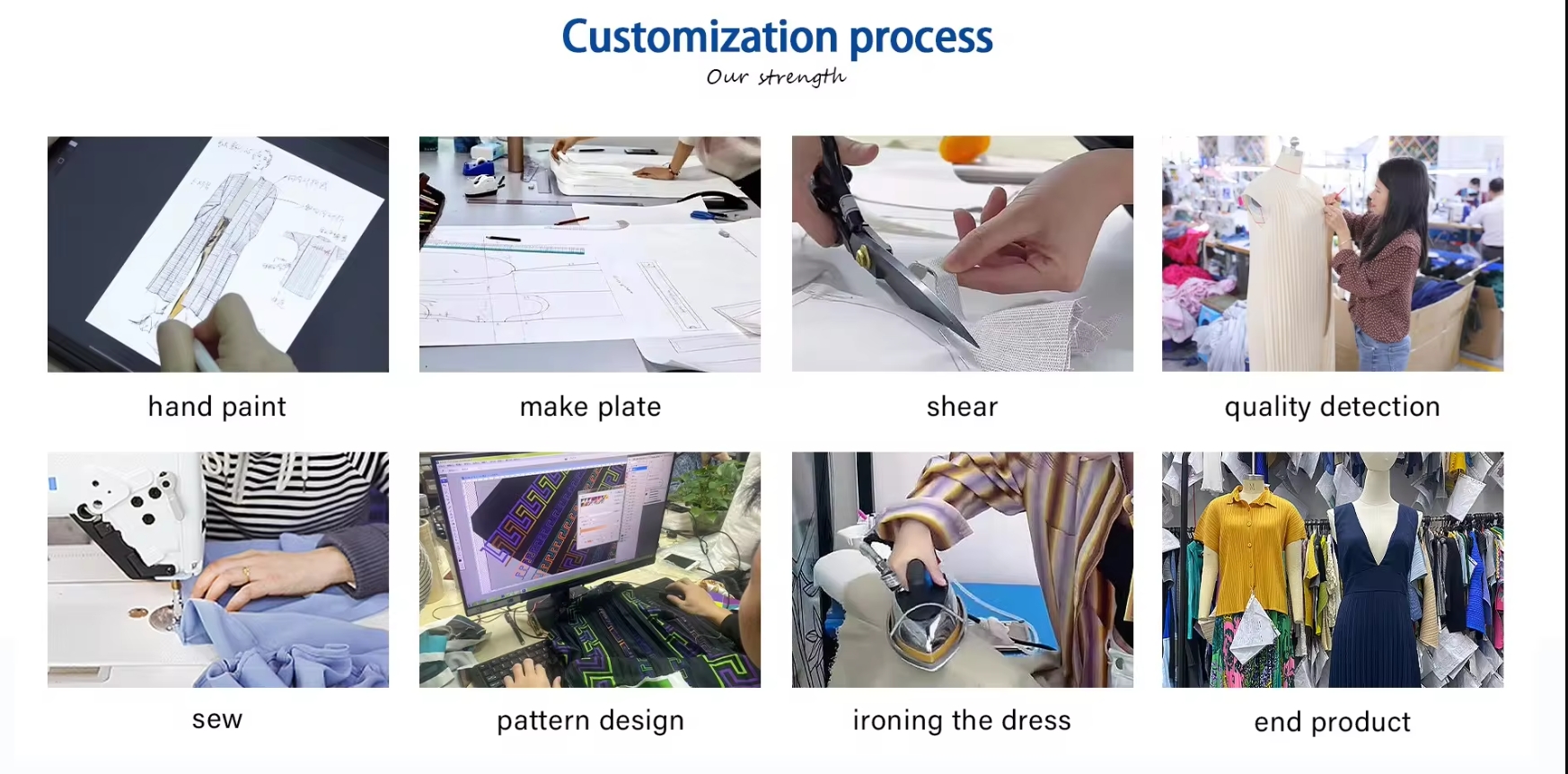
With our dedicated 50-person sample room and in-house CAD/3D pattern makers, initial counter-samples and custom prototypes are generated in as few as 3 to 5 business days once tech packs or design sketches are approved.
Importers must comply with REACH regulations (heavy metal and phthalate limits) and POPs in Europe, as well as California Proposition 65 and CPSIA standards in the United States. Furthermore, ethical factory audits such as SMETA (Sedex), ISO 9001, and HIGG Index are crucial for major retail distribution. Our manufacturing facilities hold active SMETA and HIGG certifications.
Waterproofing involves a multi-layer strategy: using high-density base fabrics (such as 420D/840D Nylon) coated with PU (Polyurethane) or TPU backing, applying non-PFC DWR surface treatments, utilizing taped waterproof seams or ultrasonic welding, and installing water-repellent zippers (e.g., YKK AquaGuard).
Standard bulk production lead time ranges between 10 to 15 days following sample approval and raw material staging. Ocean freight typically takes 15–30 days depending on the destination port, while express air delivery takes 3–7 business days.
Acceptable Quality Limit (AQL) 2.5 is a statistical sampling standard. During pre-shipment inspection, a random sample batch is drawn based on ISO 2859-1 tables. Defect rates for critical, major, and minor criteria are calculated; if the defect count is below the AQL 2.5 threshold, the entire shipment is certified for export.
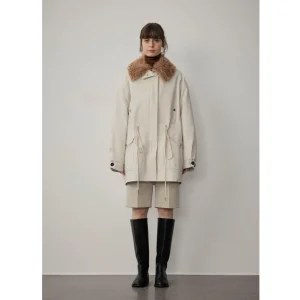
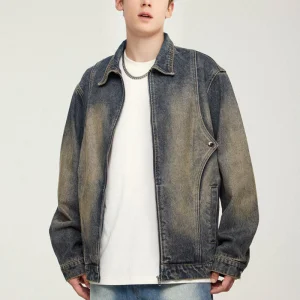
Browse our additional certified production capabilities. All models are available for custom material selection, private label branding, and rapid sample prototyping.
 ASALUXE Fashion