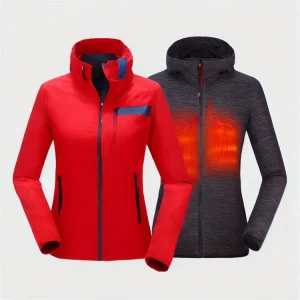
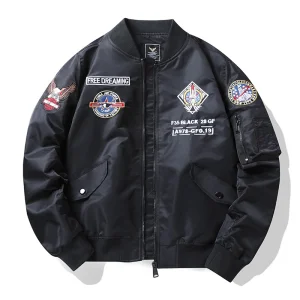
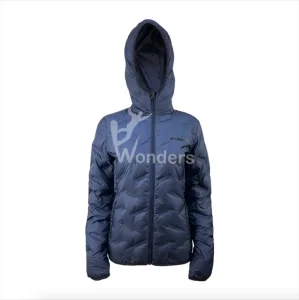
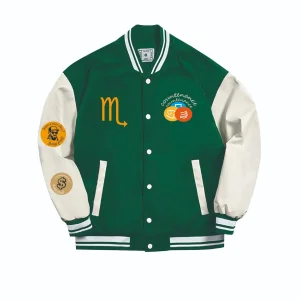
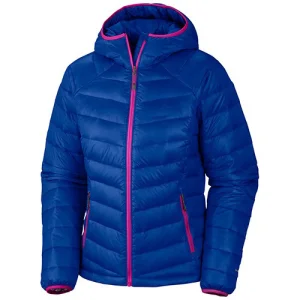
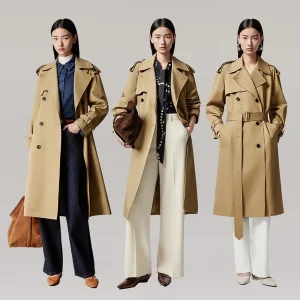
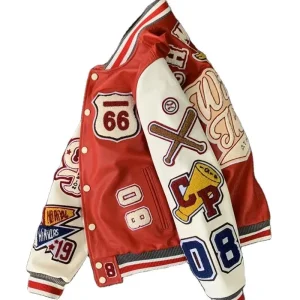
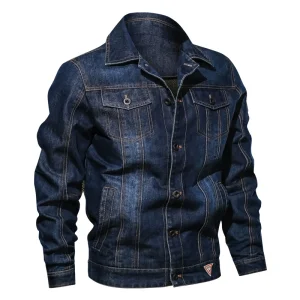
Premium seasonal outwear and bespoke women apparel crafted to match elite global footwear lines.
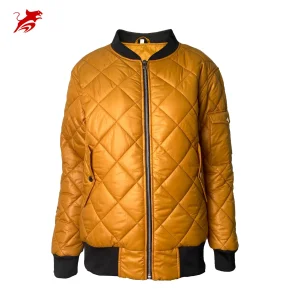
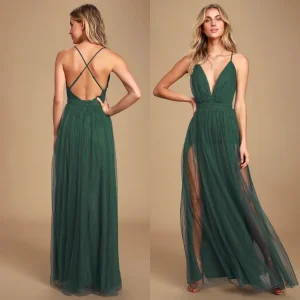
How modern fashion brands are leveraging regional clusters in China to harmonize materials, quality control, and shipping lead times.
For decades, global fashion conglomerates managed footwear procurement and apparel production in isolated silos. Traditional models dictated sourcing premium dress shoes from specialized hubs such as Wenzhou, Wuzhen, or Dongguan, while high-end women's apparel was routed through Southern China textile capitals. However, semantic search behaviors and buying intent data show that procurement directors now prioritize cross-category manufacturing alignment. A consolidated approach helps brands reduce logistical fragmentation, maintain visual consistency across dress lines and formal footwear, and leverage centralized trade lanes.
Establishing strategic alliances between top-tier footwear operations and apparel production centers (like Guangzhou ASALUXE Fashion Co., Ltd.) enables brands to unify material sourcing standards—such as coordinating recycled polyester lining, sustainable leather trims, and eco-certified packaging. By bridging these manufacturing sectors, modern retailers achieve shorter development cycles, standardizing their compliance across both categories.
Navigating complex international trade requirements, environmental assessments, and ethical labor standards.
Top-tier Chinese production facilities must maintain SMETA (Sedex Members Ethical Trade Audit) 2-Pillar or 4-Pillar certifications. This guarantees ethical labor management, strict workplace safety, and fair compensation frameworks across apparel and footwear lines.
For brands targeting carbon neutrality, the HIGG Index (FEM/FSLM) measures water usage, energy management, chemical disposal, and total environmental footprints. Advanced factories use HIGG scoring to optimize production pathways.
Modern fashion relies on quick-response (QR) models. Leading OEM partners accept low minimum orders (under 100 pieces) and deliver production turnarounds within 10–15 days, minimizing warehousing costs and inventory risks.
Leveraging 3D digital simulation cuts development times for premium clothing and shoe patterns. Virtual prototypes allow for design revisions before physical fabrics or leathers are cut, minimizing waste.
High-end dress shoe components and apparel lines increasingly feature BCI (Better Cotton Initiative) cotton, recycled PES lining, and LWG (Leather Working Group) certified skins. Sourcing from factories aligned with global sustainability standards helps brands satisfy changing consumer values and green procurement rules.
Two decades of manufacturing expertise in premium European and American fashion apparel, jackets, and outerwear.

Founded in 2005, Guangzhou ASALUXE Fashion Co., Ltd. has spent nearly 20 years developing a reputation in the global apparel manufacturing industry. Specializing in serving renowned international chain clothing brands, the company has built a design team with European and American designers, a dedicated sample room of over 50 skilled specialists, and a manufacturing facility covering 10,000+ square meters in Guangzhou's fashion corridor.
The sample development studio produces more than 1,000 new styles monthly across jersey, woven, PU, and knitwear. Operating 10 specialized production lines staffed by 300 experienced professionals, the factory maintains an annual production capacity of 4 million garments. While focused primarily on high-end women's fashion (dresses, windbreakers, cotton jackets, pants, and skirts), ASALUXE also manufactures men's outerwear with a strong commitment to environmental standards like BCI cotton and Recycled Polyester. All production facilities hold both SMETA and HIGG index certifications, ensuring third-party compliance for global retail groups.
ASALUXE is structured to support digital-first e-commerce platforms and boutique brands with a quick-response supply model. By accepting small-batch initial orders under 100 units and processing repeat orders on tight schedules, ASALUXE delivers prototype samples in 3 to 5 days and ships full production runs in 10 to 15 days. Quality control is managed under a strict AQL 2.5 standard, making ASALUXE a reliable manufacturing partner in the fashion industry.
From digital concept to international port delivery: the milestone timeline for fashion manufacturing in China.
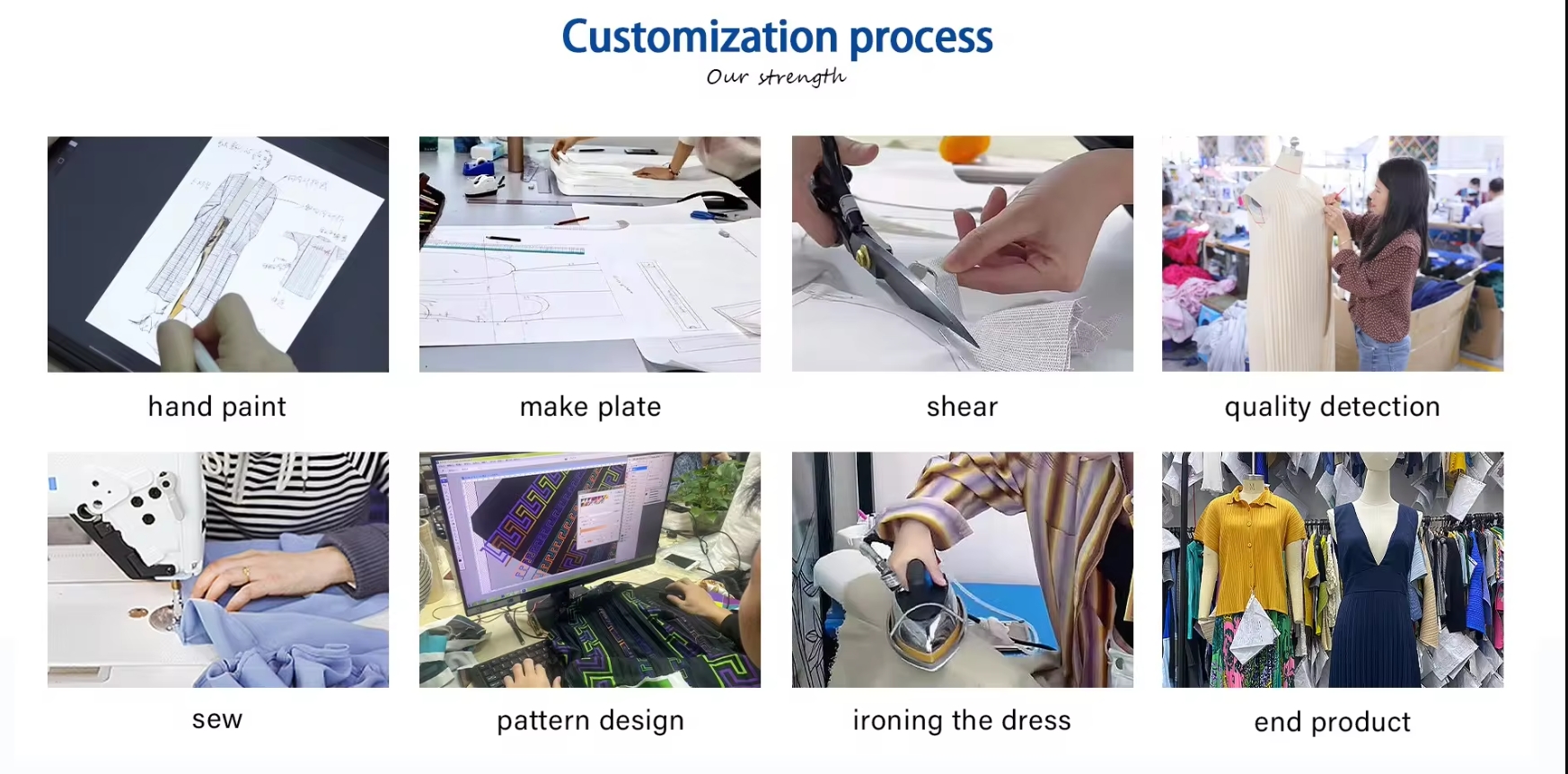
Development of initial tech packs, patterns, and material lists. Digital CAD simulations optimize material utilization and verify garment dimensions.
The sample room constructs physical prototypes from target fabrications. Fit models assess cut, drape, and structural performance before production begins.
Verifying raw materials for BCI or HIGG compliance. Confirming dye houses and yarn spinners meet international environmental guidelines.
Garments move through 10 automated sewing lines. Quality control teams run in-line audits, finishing with a final AQL 2.5 inspection.
Apparel and coordinated footwear are packaged and consolidated into maritime containers, handled with full export customs clearance.
Answers to common technical, compliance, and logistical questions faced by global procurement managers.
Acceptable Quality Limit (AQL) 2.5 represents a statistical sampling standard defined by ISO 2859-1. For a standard production lot, it establishes the maximum allowable number of defective items. Under AQL 2.5, minor defects are managed within strict parameters, while major defects (such as sewing errors or dimension variances) are kept below a 2.5% threshold. This is the global benchmark for high-street brands like ZARA, H&M, and premium boutique buyers.
Guangdong province operates as a highly integrated industrial zone. With major deep-water shipping centers in Guangzhou, Shenzhen, and Hong Kong, brands can consolidate apparel shipments (such as coats and dresses) with footwear orders from neighboring production zones. This consolidation lowers overall ocean freight rates, simplifies customs processing, and speeds up transit times to Europe and North America.
Importers must verify that factories comply with REACH (EU chemical standards) and California Prop 65 (US chemical regulations). Third-party certifications like SMETA (ethical labor) and the HIGG Index (environmental impact tracking) verify that factories monitor energy consumption, minimize wastewater, and prohibit hazardous colorants.
Traditional sourcing required high minimum orders (often 1,000+ units per style), tying up capital and carrying excess inventory risk. A flexible supply model—allowing initial runs under 100 pieces with 10–15 day reorder cycles—helps brands test new designs in real-time, adjust to sales data, and restock popular sizes quickly without holding dead stock.
Premium clothing manufactured with high-density stitching, premium linings, and certified materials.

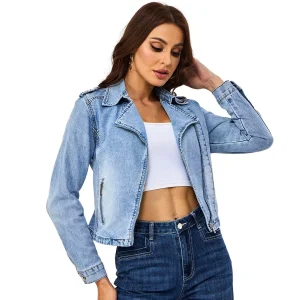
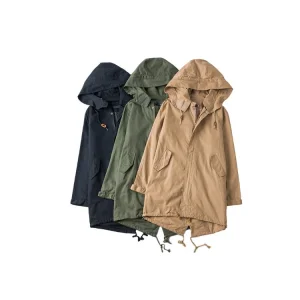
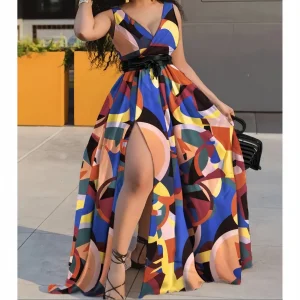
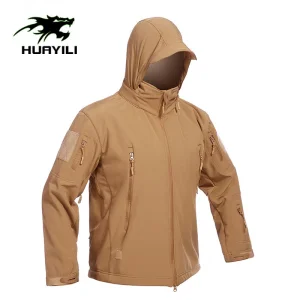
Connect with our engineering and design teams to request customized samples, verify trade certifications, and discover low-MOQ sourcing benefits.
Consult Sourcing Specialist ASALUXE Fashion