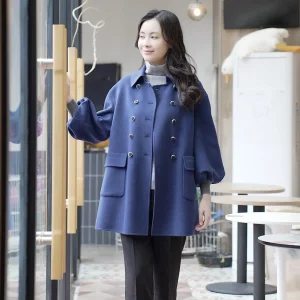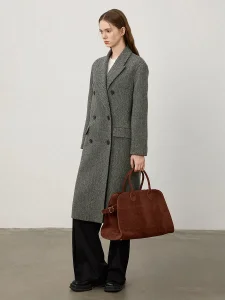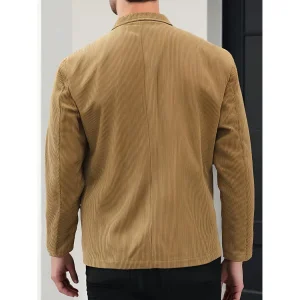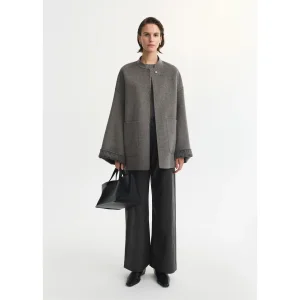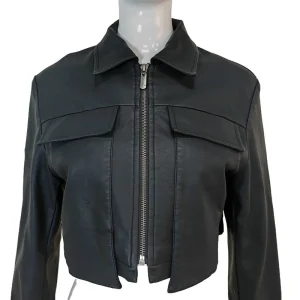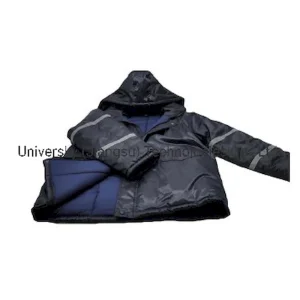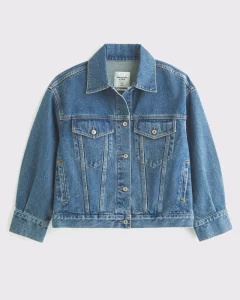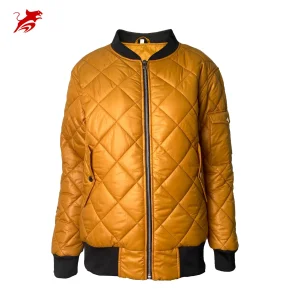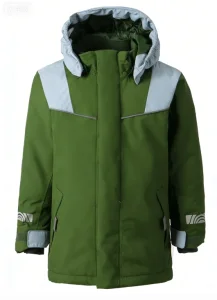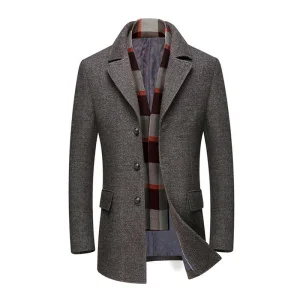
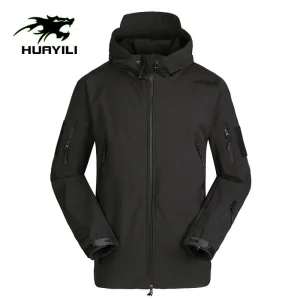
Understanding the macro-dynamics of wedge product fabrication requires analyzing two complementary systems: high-precision ergonomic wedge soles (for wellness and performance footwear) and fashion-oriented design integration. From functional footwear components to structural styling, wedges represent a key intersection of ergonomics and trend-driven demand.
Modern wedge shoe construction leverages anatomical modeling to distribute plantar pressure evenly. Sourcing managers evaluate factories on their capability to work with density-controlled polyurethane (PU), vulcanized natural cork, and expanded EVA to achieve durability without adding excess weight.
Global supply chain auditing dictates strict compliance. Leading manufacturing facilities must carry SMETA, BSCI, and HIGG Index certifications to guarantee ethical labor practices and environmental accountability for chemicals used in structural adhesives and polymers.
E-commerce and boutique retailers demand quick-response supply loops. Factories are adapting by lowering minimum order quantities (MOQs) to less than 100 units and using fast-prototyping design cycles to reduce lead times to 10–15 days.
China's dominance in the global footwear and technical apparel manufacturing landscape goes beyond low-cost assembly. Sourcing teams prioritize Chinese clusters for three main structural reasons:
In manufacturing hubs like Guangdong, component factories, chemical suppliers, outfitting operations, and accessories providers operate within a very tight radius. This proximity reduces sourcing times for raw materials to hours instead of weeks.
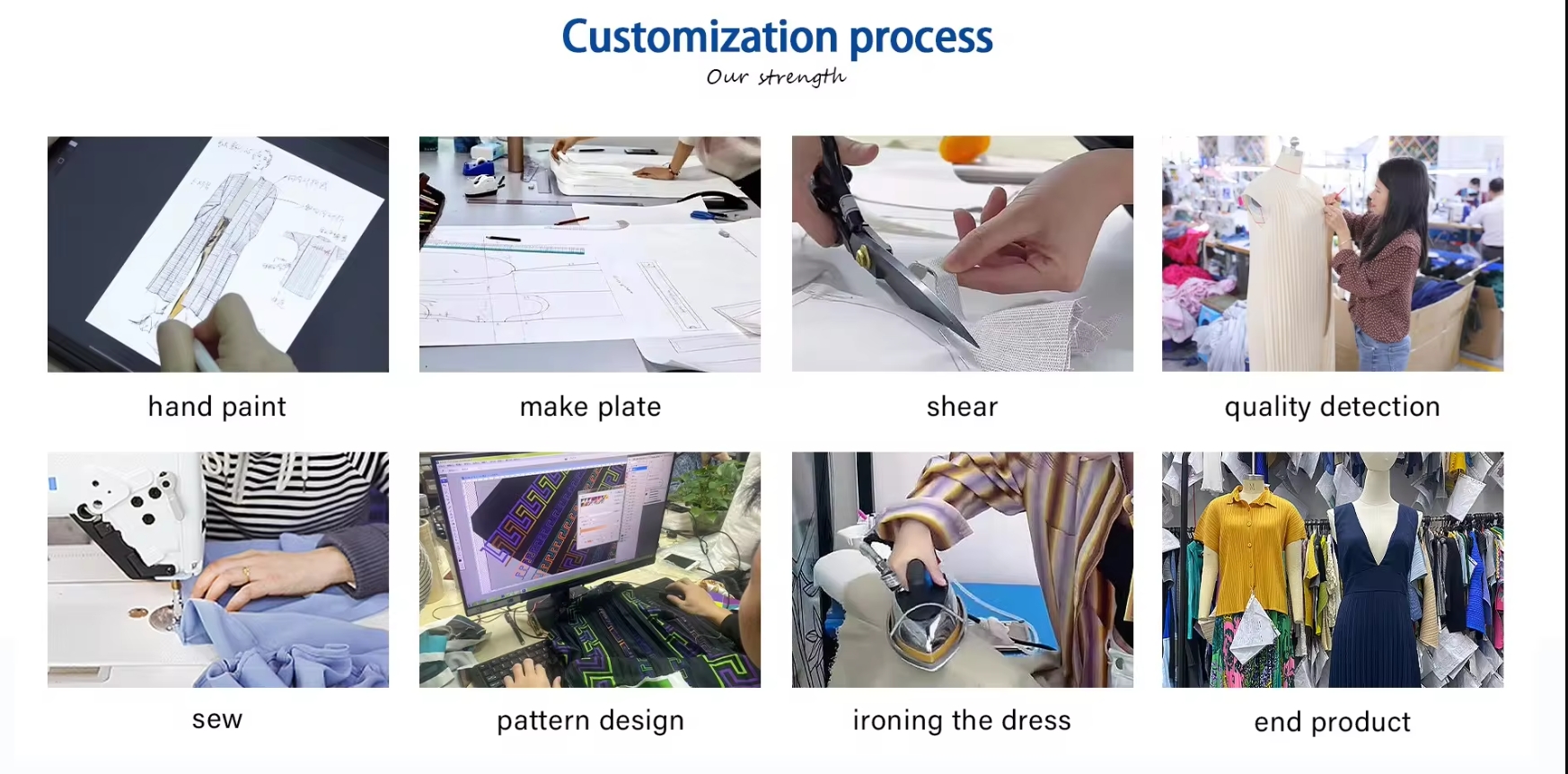
CAD/CAM tooling systems, 3D printing of sole molds, and digitized pattern grading cut sample review intervals. The standard prototyping timeline is reduced to just 3–5 days.
Modern production facilities utilize the international Acceptable Quality Limit (AQL) 2.5 standard for finished goods inspections. This system-level protocol ensures defect management is maintained throughout mass production.
Sourcing strategies have shifted from traditional, high-volume production to flexible runs. Supporting smaller initial order sizes allows brands to test new collections in the market without taking on large capital risk.
To provide a real-world look at factory capabilities, we highlight Guangzhou ASALUXE Fashion Co., Ltd., a manufacturing partner that demonstrates how modern production and quick-response times come together in the global market.
Guangzhou ASALUXE Fashion Co., Ltd., founded in 2005, is a company with nearly 20 years of experience in the clothing industry. It has long served globally renowned chain clothing brands. The company has an excellent design team with European and American designers, a professional sample room of over 50 employees, and a professional production and manufacturing factory of over 10,000 square meters, which has been deeply rooted in the European and American fashion field.
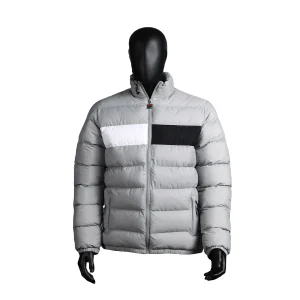
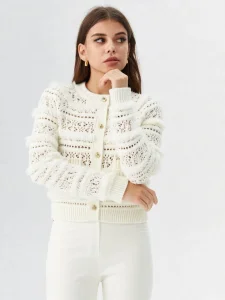
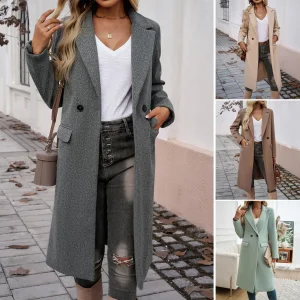
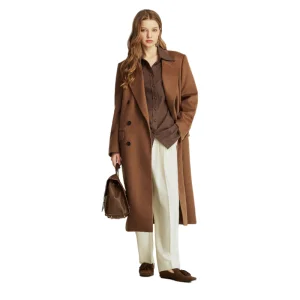
Our sample making room makes over 1,000 new styles of professional monthly fashion products, including jersey, woven, PU, and knitwear. There are 10 professional production lines in the production workshop, with 300 employees and an annual production capacity of 4 million pieces. The company's products mainly focus on women's clothing, supplemented by men's clothing, including dresses, windbreakers, cotton jackets, tops, pants, and skirts. The company's products also include sustainable products such as BCI, RECYCLED POLYESTER, etc. The production factories all with SMETA certification and HIGG certification.
The company has always served some online store brands, accepting rebuys with short-leadtime and small quantity. New samples can be made fast and some of them only takes 3-5 days, and the shipment of production can reach 10-15 days. Order quantity can be less than 100 pieces! Our company's inspection execution standard is AQL2.5, adhering to the best quality to become the strongest supporter of brand customers.
Our company has a professional team, rigorous management, and continuous exploration and progress. Always adhering to the business philosophy of "quality comes first, customer comes priority", continuously improving our development capabilities and services. We focus on innovation and constantly develop new styles to meet the constantly changing market and personalized needs of our customers.
As a premier women's apparel OEM manufacturer, we are dedicated to transforming your fashion ideas into reality. Our expertise lies in delivering high-quality, custom-made garments that meet the unique needs of brands worldwide. Thank you for your attention to our company. We look forward to establishing a long-term and stable cooperative relationship with you to jointly create a better future.
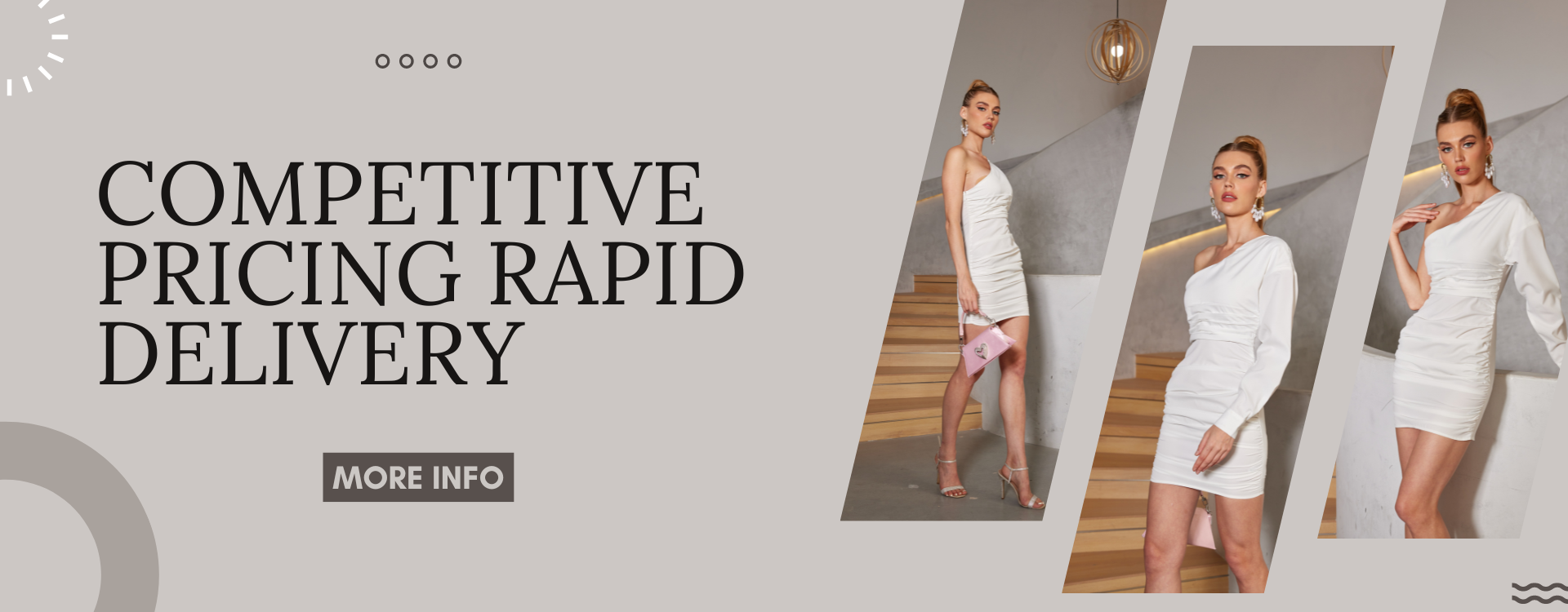
Wedges and premium fashion coordinates serve distinct functions across different target markets. Understanding these scenarios helps product developers plan material choices and manufacturing pathways:
Online retailers need to react quickly to social media trends without ending up with excess unsold stock. They require factories that support rapid prototyping, low MOQs, and fast restocking cycles (10-15 days) to help keep inventory risk low.
Global brands with physical retail stores need large-scale capacity, standard product quality, and strict compliance profiles. They focus on supplier networks with proven capacity (like 4 million pieces annually) and recognized certifications like SMETA and HIGG.
Eco-friendly brands look for certified production processes. This includes using materials like BCI-certified cotton, recycled polyester, organic cork components, and non-toxic adhesives, along with clean wastewater treatment at the manufacturing site.
Smart technology and resource conservation are changing how manufacturing works. When planning long-term supply relationships, look for partners that are moving toward these industry-wide shifts:
Factories are using computer-aided nesting algorithms to position patterns on fabrics and leathers. This process reduces scrap material by up to 15%, lowering overall raw material costs.
There is growing market demand for fully traceable, bio-based raw materials. This includes using post-consumer PET fibers and agricultural byproducts to manufacture sustainable footwear components.
Modern production facilities use ERP platforms to track manufacturing status in real time. Sourcing teams can view production metrics, quality checks, and shipping status via a single dashboard.
Common questions about quality compliance, shipping logistics, and manufacturing requirements:
 ASALUXE Fashion